You searched for "wound"
Advances in neural stimulation of the auditory pathway
This article reviews the use of neuroprosthetic devices such as cochlear and auditory brainstem implants (ABI) to stimulate the auditory pathway, discussing the successes, limitations and advances in this area. Currently, neuroprosthetic devices deliver electrical impulses to the cochlear nerve...A woman in a man’s world
Being one of the few women professors of surgery in the world for most of my career inevitably led to some amusing situations. When I was first invited to the Middle East in the 1990s, I accepted primarily to see...Remote hearing aid fittings and maintenance – exploring applications in Africa
Introduction Technology and connectivity are allowing audiological services to be provided in novel ways. The field of telehealth, although firmly established over the past two decades, is buoyed by the continued and rapid advances in information and communication technologies. Remote...The structure and function of DNA
DNA structure and replication Genetic information within multicellular organisms, including man, is stored in molecules of deoxyribonucleic acid (DNA), which reside within the chromosomes of each cell nucleus. A DNA molecule consists of two very long chains, or strands, of...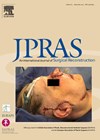
Surgery plus radiotherapy keeps the helical keloid scar away
Keloid scars lead to significant psychological and cosmetic morbidity. As the pinna is a key component of facial cosmesis, pinna keloid scar formation can be aesthetically displeasing. Their stubbornness and high recurrence rate can be challenging to treat. This department,...OBITUARY: Lawrence Cleary 19/06/39 – 1/10/25
It is considerable sadness that we have to report the death of Lawrie Cleary. Lawrie Cleary played a major part in the history of cochlear implantation in the UK. He had lifelong hearing loss and was a patient of mine...European Laryngological Society (ELS) meets British Laryngological Association (BLA)
The meeting of the European Laryngological Society in May is being held in London, and is co-hosted by the British Laryngological Association. The President of the ELS, Ricard Simo, and the Secretary of the BLA, Declan Costello, exchanged thoughts about...