
You searched for "technological"

Maintaining a voice throughout the MND journey
Amytrophic lateral sclerosis, also known as motor neurone disease (MND), is a progressive neurological disease that destroys the nerve cells responsible for controlling voluntary muscle movements resulting in severe dysarthria in 95% of people with MND. It may lead to...
Patient-reported outcome measures: what do the people say?
Patient-reported outcome measures (PROMs) assess and quantify health outcomes from the patient’s perspective. Defining these questionnaires as outcomes indicates that they are psychometrically sensitive to change. This article describes three PROMS: namely the Patient Reported Outcome Measurement Information System (PROMIS),...A path to leadership
In this article we learn more about the Ruth Thomsen’s journey in audiology and healthcare science, exploring the opportunities on the road less travelled. “Two roads diverged in a wood, and I—I took the one less traveled by,And that has...The impact of vocal care and oral health on laryngeal function and voice
Maintenance of epithelial health relies on a number of measures. We hear about hydration, irritants and biofilms from a team in Helsinki. Oropharyngeal health Vocal hygiene is a commonly used term that refers to the personal daily habits contributing to...The European TINNET COST Action BM1306
Winfried Schlee describes how a major European funding award is bringing together experts who are committed to collectively developing a better understanding of tinnitus. This work is vital if we are to pioneer effective treatments for the condition in its...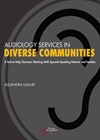
Audiology Services in Diverse Communities: A Tool to Help Clinicians Working With Spanish-Speaking Patients and Families
As a bilingual audiologist (Spanish-English), I have found this book to be a bridge between the two languages in the audiological world. It is a resourceful niched book that enables the practising audiologist dealing with Spanish-speaking adult and paediatric patients...Start-ups all set for the 70th EUHA
The 70th International Congress of Hearing Care Professionals has offered a platform for start-ups with a free stand at the EUHA Industry Exhibition and presentation spaces made available. The four start-ups have now been selected.
Sex and the Nose
For regular attentive readers of our little magazine, JRY will need no introduction. The word ‘polymath’ barely does him justice: a Colonel in the Medical Corps with an MPhil in poetry and apparently one of the “50 coolest people in...
Acute peripheral vestibulopathy: is it really neuritis?
The pathophysiology of acute vestibular dysfunction has been debated for decades. By seeking to clarify the underlying aetiology, this study muddies the waters further by advocating systemic and intratympanic steroids as first line treatment if the aetiology is uncertain. The...A guided tour of the new thyroid nodule guidelines
The 2026 consensus updates thyroid nodule management with clearer risk assessment, tailored biopsy decisions and more consistent follow-up strategies. Setting off: why do we need new signposts? The management of thyroid nodules is familiar territory for many clinicians, but the...
Temporal Bone Histology and Radiology Atlas
Temporal Bone Histology and Radiology Atlas is an outstanding reference and training manual which will be a rewarding read and purchase for all otolaryngology trainees and, in particular, senior trainees and consultants. Neuro-radiologists and neuro-otologists will enjoy comparing the beautifully-prepared...


