You searched for "silence"
BAAP Mid-Year Symposium 2024: A Neurology-Neurotology Interface
British Association of Audiovestibular Physicians (BAAP) held its mid-year symposium virtually, attracting a global audience of audiovestibular and neurology professionals. Organised by Professor Soumit Dasgupta, Chair of the BAAP Education Committee, the half-day event focused on the complex interface between neurology and neurotology, specifically addressing neurodegenerative disorders and their impact on balance.Listening differences in autistic individuals
In this article Erin Schafer, Lauren Mathews and Andrea Dunn outline the common auditory issues that autistic individuals face in comparison with their neurotypical peers and highlight the need to move beyond the traditional audiologic test battery when working with...Insight into an Indian-trained ENT specialist working in the UK
With international fellowships becoming more commonplace for gaining subspecialty experience, the authors describe the pros and cons of a UK fellowship and summarise the differences they have noticed in training and clinical practice between India and the UK. Otorhinolaryngology, or...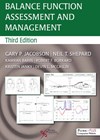
Balance Function Assessment and Management – Third Edition
Now in its third edition, this textbook provides an extensive amount of up-to-date information on the assessment and management of the vestibular system. Four new editors have been recruited for this edition and all chapters have been reviewed and reorganised...
Early ENT involvement can improve long-term quality of life after temporal bone fractures
Sports injuries and road traffic accidents are common causes of head injuries, with 18-40% of skull base fractures involving the temporal bone. Often these patients have other more life threatening injuries so ENT intervention is delayed or absent. Facial palsy,...
Is virtual reality the future of vestibular rehabilitation?
The use of virtual reality (VR) in vestibular rehabilitation is gaining some popularity but availability is hampered by cost. One VR system in use in some centres is the Hybrid VR unit which incorporates motion trackers and force platforms. This...
The vestibular system is not immune to chronic otitis media
It is well recognised that chronic otitis media (COM) is a risk factor for sensorineural hearing loss. Studies on the effect of COM on vestibular function have been beset by design biases. The authors designed a case control study to...