You searched for "instruments"
Enhanced recovery following surgery for head and neck cancer – the current evidence
Enhanced recovery after surgery (ERAS) programmes are now well established in many surgical specialities as a means of reducing postoperative complications and length of stay in hospital. Whilst many head and neck teams have interventions used to aid postoperative recovery,...
How has management and outcomes of necrotising otitis externa changed over the past decade?
Necrotising otitis externa (NOE) remains a challenging condition for ENT departments, particularly with the increased prevalence of diabetes mellitus (DM) in the general population. There is no international consensus on treatment, although many institutions now have local guidelines drawn up...
Coblation for laryngeal granulomas
Laryngeal granulomas remain notorious for their tendency to recur after surgical removal. Although high rates of complete remission have been reported with use of the potassium-titanyl-phosphate (KTP) laser, this equipment is expensive and not available in all units performing ENT...
Auditory processing disorder (APD): knowledge and practice in hearing healthcare
Awareness and practice for children and adults presenting with APD is variable across healthcare practice. Recently reported experiences of individuals and their families affected by APD show difficulty accessing referral and overall lack of recognition, and note that audiologists show...
Contemporary Transoral Surgery for Primary Head and Neck Surgery (Includes Companion Website) First Edition 2015.
This is a volume containing 16 chapters and indexed over 251 pages which covers the topic of transoral surgery (TOS) edited by Drs Hinni and Lott from the Mayo Clinic Arizona, Phoenix, USA. The chapters cover the topic of TOS...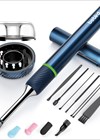
Patient-led wax and aural foreign body removal technology – is it safe?
As ENT and audiology professionals, wax impaction and aural foreign bodies are common presentations to our clinic that can cause significant distress to patients and can preclude diagnostic testing such as pure tone audiograms and tympanometry. We often advise patients...Sound Seekers: audiology in the developing world
Kavita Prasad, the current CEO of Soundseekers, is an inspirational woman in a leadership role within the audiology world. Here, she gives us an overview of the scope of the charity and the ways in which they improve the lives...British Academy of Audiology Higher Training Scheme
After 15 years of running the Higher Training Scheme (HTS), the British Academy of Audiology (BAA) relaunched its postgraduate training scheme this year. We hear about the updated scheme and how it combines theoretical study and clinical training to provide...