You searched for "screening"
Nuclear heads – and necks
Imaging of the extra-cranial head and neck is challenging due to the anatomic complexity of the region. CT, MRI and ultrasonography (US) are amongst the most frequently utilised radiological modalities in head and neck imaging but do not always provide...Clinical guidance: using the NAL-NL3 Fitting System in practice
NAL-NL3 modernises hearing aid prescription with modular, evidence-based modules, improving real-world comfort and communication for diverse listening needs. Hearing aid prescription has long relied on a single, audiogram-based formula to guide amplification. While this approach has delivered reliable outcomes for...On the influence of sex on tinnitus burden and its phenotypes
One important aspect of the new paradigm in tinnitus research is to question basic assumptions. What associations does the sex of a person have with their experience of and reaction to tinnitus? Chris Cederroth raises the question and tells us...Pioneering standards of aural care in the UK: vision and initiatives of the NACSG
Ear wax removal remains a controversial subject in the UK. How will a strategy group support reform in the sector? Background: elevating standards in aural care The National Aural Care Strategy Group (NACSG) was established to address the multifaceted challenges...Developing a telemedical approach to tinnitus treatment for a worldwide market
Most of us have probably met at least one person in our lives who suffers from the notorious ringing in the ear, tinnitus. For many this ringing becomes a nightmare and debilitates them. Tinnitus is defined as the perception of...Diplomacy and the art of consensus meetings
Over the years I have been involved in a large number of international consensus meetings, usually attended by people from a wide range of specialities and nationalities. They require considerable diplomacy and leave one with an enormously increased admiration for...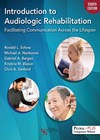
Introduction to Audiologic Rehabilitation: Facilitating Communication Across the Lifespan – Eighth Edition
The eighth edition of Introduction to Audiologic Rehabilitation is an invaluable and highly informative resource for anyone involved in the field of audiology and speech-language pathology. Designed to accommodate undergraduates, graduates and experienced clinicians alike, this textbook skilfully bridges the...
Dysphagia in people with HPV-related oropharyngeal cancer
Human papilloma virus (HPV) associated oropharyngeal cancers are becoming much more prevalent and, in some geographic areas, have overtaken tobacco as the leading cause of oropharyngeal cancer. HPV-associated cancers are also reported to have better prognosis in general, and research...Laryngotracheal stenosis and malacia care
Why laryngotracheal stenosis and malacia (LTSM) care matters now? In late 2019, reports began to emerge of severe respiratory infections caused by a novel coronavirus. In the months that followed, intensive care admissions in the UK rose more than tenfold....Inspired by Ida: In conversation with Lise Lotte Bundesen, Managing Director of the Ida Institute
The Ida Institue takes a collaborative approach to developing tools and resources that can be used by clinicians around the world to improve person-centred care. Their Managing Director Lise Lotte Bundesen tells us about their newest project, Inspired by Ida,...