
You searched for "Misophonia"

Clinical Laryngology
This book provides a comprehensive approach to clinical laryngology incorporating anatomical, physiological, pathological, functional and structural aspects of laryngology. All chapters are up to date and provide useful information, especially following chapters are very well written with lot of images,...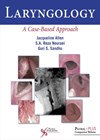
Laryngology: A Case-Based Approach
This unique book was written based on the novel enquiry-based teaching method particularly to illustrate laryngology conditions. It contains both adult and paediatric pathology. Each chapter starts with one or more case scenarios along with other useful subheadings to explain...A soprano’s demise: a cautionary tale for the thyroid surgeon
Prior to the mid-19th century, thyroid surgery was considered excessively dangerous. The emergence of anaesthetic, antisepsis and improved instrumentation, however, increased its feasibility and frequency in Europe. The unhurried, judiciously antiseptic and haemostatic approach, advocated by Kocher, was popularised and...15th Congress of the ELS
Emilie Dronkers, Consultant Laryngologist, Leiden University Medical Centre, the Netherlands Missed ELS 2025 in Warsaw? Oh, the Laryngological FOMO! Alright, fellow ENT enthusiasts, if you weren’t hobnobbing in Warsaw from May 8-10, 2025, at the ELS Congress, let me tell...CROS hearing aids existed 10 years before they were even invented!
We all know the principles of CROS aids and the potential benefits they provide to patients, but did you know they were invented many years before they were officially described in literature? In this engaging article, Neil Bauman explains how...
Programming Cochlear Implants - Second Edition
Wolfe and Schafer open their second edition with up-to-date images of brand-specific devices and show various configurations and customisations available to the recipient. For the audiologist, they introduce highly relevant topics such as polar plots for microphones, array types and...Audiological management of autistic children
Philippa James and Lucy Shiels explain the development of the ‘Autism Listening Clinics’, highlighting a recommended clinical approach for audiologists, the importance of remote microphone technology and sharing some wonderful caregiver experiences. Auditory challenges in autistic children Autism spectrum disorder...Hear Glue Ear - affordable bone conduction and microphone kits
Glue ear is a very common problem in children. This article explores a simple and affordable solution to help overcome some of the challenges it can cause. Background Glue ear (also known as otitis media with effusion – OME) is...
Hi There Solutions
The COVID-19 pandemic has introduced a multitude of lifestyle challenges, and communication has been no exception to this. Not only have plexiglass barriers and masks impeded the way we verbally interact, but the transition to more frequent virtual communication has...HearAdvisor’s scientific and consumer-friendly approach to evaluating hearing aids
An ageing population means more hearing aid users. The authors of this article describe their techniques for independently assessing prescription and over-the-counter hearing aids in an acoustic laboratory. As the role of consumers in the hearing aid purchasing decision continues...
A ‘smarter’ personal amplification device
The hearing aids available on the market today are undeniably impressive, particularly when compared to their clunky and squeaky predecessors. At a most basic level, hearing aids sample the surrounding auditory signal in real-time, breaking sounds down into frequency-specific channels....


