
You searched for "malignancy"

Evolution of salivary gland pathology classifications
Targeted therapies for malignant salivary gland tumours have changed the treatment paradigm and therapy approaches. Better outcomes are now feasible. Choosing the treatment method requires a clear classification of the lesions. The authors of this paper reviewed the World Health...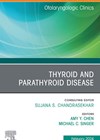
Thyroidectomy - a pictorial walk through the surgical steps
We as ENT surgeons work closely with the endocrinologist to provide MDT care for patients with a variety of pathologic conditions of the thyroid gland, including benign, malignant and hormonal disease processes. Surgery plays a central role for a variety...Robotics in rhinology – fantasy or the future?
Robotic surgery is advancing, but its use in rhinology lags due to spatial constraints and high costs. Innovations in flexible robots may bridge this gap in the future. We are in a new era, one of artificial intelligence and robotics....In conversation with Professor Paul J Donald
Prof Paul J Donald has recently stepped down as Chairman of the ORL-HN Department at UC Davis in Sacramento and is winding down to retirement. In this interview with Prof Pat Bradley, Prof Donald explains some of the highlights of...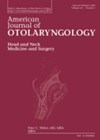
Prophylactic gastrostomy tubes in advance of chemoradiotherapy for advanced head and neck malignancies – are they worthwhile?
It is well recognised that radical chemoradiotherapy (CRT) for head and neck cancers can significantly affect swallowing, especially if radiotherapy is delivered to the hypopharynx and/or both sides of the neck. As such, prophylactic gastrostomy tubes are often advocated in...Thyroid cancer – the last decade
Professor Ashok Shaha describes the evolution in the treatment of thyroid cancer that he has witnessed over the last decade and the invaluable progress made by himself and others, from their contributions to staging systems and guidelines. Nuances and paradigm...Laryngotracheal stenosis and malacia care
Why laryngotracheal stenosis and malacia (LTSM) care matters now? In late 2019, reports began to emerge of severe respiratory infections caused by a novel coronavirus. In the months that followed, intensive care admissions in the UK rose more than tenfold....
Salivary Gland Neoplasms
Salivary Gland Neoplasms is another useful addition to the Advances in Otolaryngology series. This issue (Vol 78) sees Prof Patrick Bradley (Nottingham) and David Eisele (Baltimore) co-edit a 206-page edition, nicely divided into 23 chapters, covering basics like molecular pathology,...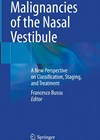
Malignancies of the Nasal Vestibule
This text is a comprehensive guide to the management of malignancies of the nasal vestibule. The book starts off with a review of the anatomy, patho-physiology and patterns of disease spread for nasal vestibule carcinomas. Of course, no book on...
Neck dissection in adenoid cystic carcinoma is a risk worth taking?
This paper from Stanford University presents impressive figures to guide the debate on the extent of surgical management in adenoid cystic disease. Adenoid cystic carcinomas present a particular problem in that they can recur even after 20 years. They have...
Should we do oesophagoscopy during panendoscopy?
Panendoscopy entails a complete evaluation of the upper aerodigestive tract, and consists of oral inspection, direct laryngoscopy, bronchoscopy, oesophagoscopy, or some combination of these procedures. Despite many advances in imaging over the years, a skilled surgeon’s eyes remain superior in...


