
You searched for "simulation"
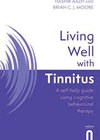
Living Well with Tinnitus: A self-help guide using cognitive behavioural therapy
Living Well With Tinnitus is part of the Overcoming / Living Well series of self-help books, aimed at directly addressing the population afflicted with the titular condition. It runs at 335 pages in paperback format and, at its core, guides...
Are there benefits of prophylactic swallowing exercises for patients with head and neck cancer?
This randomised controlled trial aimed to establish the impact of prophylactic swallowing exercises in patients undergoing chemoradiation therapy for head and neck cancer. The primary outcome was the functional oral intake scale (FOIS), although secondary measures for feeding tube use,...
SCC of pinna – which histological features could predict prognosis?
Cutaneous squamous cell carcinoma (SCC) of the pinna is reported to have a higher rate of metastasis than cutaneous SCC originating from elsewhere - up to 16% compared with less than 2% for the latter. The authors aimed to assess...
Long-term swallowing function in bilateral vocal cord immobility
Vocal cord immobility is the second most common abnormality of the larynx in the paediatric population. The team from New York aimed to characterise the long-term swallowing function in a cohort of patients with bilateral vocal cord immobility over a...
Blocked nose in children with allergic rhinitis
Nasal obstruction is a classic symptom in children with allergic rhinitis. While the nasal obstructive disorders including septal deformity, turbinate hyperplasia and adenoidal enlargement are widely recognised in adult nasal blockage, their relationship with paediatric allergic rhinitis however, is scarcely...
Imagine a future without hearing loss
This article reflects on both the past 20 years and the next 20 years of research and service provision for children who are deaf or hard of hearing. The authors describe how universal newborn hearing screens have had a dramatic...
Outpatient closure of CSF leaks: a good idea or a step too far?
After day-case septoplasty, day case thyroidectomy, now day case CSF leak repair – has the pendulum moved too far? The authors put forward a convincing case for what, only 10 years ago, would have sounded like a provocation. They quote...
Marshmallows for swallowing assessments!
The complaint of ‘food sticking in my throat’ is one many of us will have heard several times in clinical practice. The authors of this study report the prevalence of this symptom to be between 5-8% in the general population...
Incidental thyroid nodules: should we observe or operate?
Thyroid nodules are extraordinarily prevalent, detected by physical examination in 7% and by imaging studies in 67% of the population. Although most of these nodules are benign, up to 20% are found to be malignant on excision. It’s a very...
Intracranial complications of otitis media – the difference between kids and adults
Despite a decrease in intracranial complications from otogenic infections since the introduction of antibiotics, there is still morbidity and mortality associated with this. This group from the Netherlands conducted a retrospective review of all the patients treated for intracranial complications...
Stem cells in nasal polyposis
Chronic rhinosinusitis with nasal polyps (CRSwNP) is common and is multifactorial with increased T-helper 2 response and active role of interleukin 5. It can be associated with asthma and control of CRSwNP improves lower airway disease. Due to constant cellular...


