You searched for "Ear"

2510 results found

Genomic testing for deafness and its implications

Gene therapies for hearing loss are rapidly advancing and will be transitioning to clinical practice. Here, the authors explain why clinicians involved in managing these disorders need to be aware of these advances. Genomic testing in England was significantly reconfigured...

Selecting and optimising hearing aids for tinnitus benefit: a rough guide

Hearing aids have a relatively long history as tinnitus treatment tools. Saltzman and Ersner reported success in suppressing tinnitus with simple hearing aids in a number of cases as early as 1947 [1]. In an early comprehensive approach to tinnitus...

Targeted CMV screening and hearing management of children with congenital cytomegalovirus infection

Congenital cytomegalovirus (cCMV) infection is a common congenital infection and is the leading infectious cause of sensorineural hearing loss (SNHL) in children. Prof Karen Fowler discusses current research and the exciting future of screening for cCMV in newborns. Figure 1....

Clinical strategies for improving music listening

For audiologists and patients alike, the technical challenges of fitting hearing aids for music are well known. Drs Greasley and Crook introduce their research and top tips for improving satisfaction in this important topic. Hearing aids are often problematic for...

Implicit bias in audiology and wider healthcare

What is implicit bias and how might it affect patient outcomes in hearing healthcare? Yovina Khiroya provides insight into the terminology and the effect on people and service delivery. As much as possible within healthcare, we try to reduce implicit...

Improving cochlear-implant performance in the short- and medium-term

Can bespoke cochlear implant programming strategies reduce the variability seen in patient performance with an implant? Bob Carlyon reviews the current situation and gives us a glimpse of the future. Although many cochlear implant (CI) patients understand speech well in...

Patient and public involvement in research

One step further from involving patients in setting research priorities is to involve them in the planning and recruitment stages of the subsequent trials and studies. Here, Carl Philpott and Aneeka Degun explain the concept of Patient and Public Involvement...

How trainees can make major contributions to practice

At a time when many of our trainees feel poorly supported and disheartened, the formation of a National ENT Trainee Research Network (Integrate) has been a major advance, enabling them to develop and execute research projects directly relevant to clinical...

High intensity, high impact: tackling waiting lists one HIT at a time

A monthly high intensity theatre list in Sheffield shows how smart planning, teamwork and focus can dramatically reduce long ENT waiting lists. Finally, after many years of training, I’ve started my first consultant post – only to become part of...

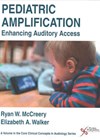
Pediatric Amplification: Enhancing Auditory Access

The authors of Pediatric Amplification: Enhancing Auditory Access set out to provide a comprehensive resource for professionals who serve children who are hard of hearing and their families and caregivers, and they have delivered it. The book is easy to...

Tinnitus – Advances in Prevention, Assessment, and Management

This is a softcover volume, broken down into six sections over 406 pages printed in greyscale. The book is edited by AK Deshpande and JW Hall III, written by a large number of international experts in the field, and reviewed...


Management of patients with advanced otosclerosis

This paper discusses the management options of advanced otosclerosis. There are several definitions for advanced otosclerosis in the literature but, more recently, the diagnosis of advanced otoscletosis has been reserved for patients who have less than 30% aided speech discrimination...