You searched for "Imaging"
In conversation with Liam M Flood: Middlesbrough (M for Michael? ...nope, Martin!)
Liam Flood. With a name such as Liam you must have some ‘Irish blood’? Where does your family come from? Tell us more? (What did your old man / mum do?) Some Irish blood? Those who know me well would...
Hearing protection and hearing loss
This study examined the interaction of hearing protection for noise reduction and hearing loss with speech recognition performance. Forty five subjects with four hearing loss profiles were fitted with two different level dependent hearing protectors (circumaural and inserts) in two...
Hearing aid standards and test systems
Hearing aids are the most used management / rehabilitation option for people with hearing loss. Generally, hearing instrument manufacturers perform the hearing aid performance measurements and provide its specification in terms of functionality. However, it is also common for government...
Frequency Compression – is there a benefit?
The goal of this study was to investigate whether frequency compression (FC) hearing aids provide more benefit than conventional hearing aids. Twelve experienced hearing aid users 65-84 years of age with moderate to severe high frequency hearing loss wore the...BAPO Annual Meeting 2026
British Association for Paediatric OtorhinolaryngologyWireless accessories for hearing aid users: putting the ‘soul’ back into hearing – a case study
The following case study reports on the experiences of a hearing impaired National Health Service (NHS) patient who was given Bluetooth accessories as part of a study into their benefits when used with hearing aids [1]. The name of the...Labour rights violations in the manufacture of healthcare goods
Every year trillions of dollars are spent on medical supplies globally. The operating theatre is a significant proportion of this spend, typically accounting for a third of a hospital’s supply costs. When making purchasing decisions consideration is given to value...Call for action on hearing loss
The British and Irish Hearing Instrument Manufacturer’s Association (BIHIMA) and Alzheimer’s UK are encouraging people to book regular hearing tests and get hearing concerns checked earlier, as it could significantly lower their chances of developing dementia.
Early habilitation for hearing impairment in children with Down syndrome
Approximately 40-80% of children with Down syndrome have hearing impairment in addition to speech and language impairment. The commonest cause of hearing impairment in young children is otitis media with effusion. This paper investigated the impact of early hearing loss...Ida Institute course makes tele-audiology easier and better
The COVID-19 pandemic provided hearing care professionals an opportunity to review the provision of hearing services. We hear from Lise Lotte Bundesen, Managing Director of the Ida Institute, about the potential of tele-audiology and how it can help to maintain...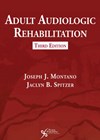
Adult Audiologic Rehabilitation – Third Edition
This book builds a vivid picture of adult audiologic rehabilitation in the past, present and future. It considers a holistic view of hearing rehabilitation and introduces new research and ideas which I hope will shape hearing services of the future....