You searched for "ASD"
Hearing aid outcomes in older adults: what and when to measure
What matters to older adults when purchasing a hearing aid? Larry Humes explores the domains that should be measured for this key group. This article identifies key domains of hearing aid outcome in older adults. Increasingly, third-party payers and private-pay...What you need to know about recent advances in genetics of hearing loss in the newborn
Identifying the underlying genetic cause of hearing loss in newborns can improve dramatically the early diagnosis and appropriate intervention. Hearing loss is the most common sensory disorder at birth, affecting approximately two out of 1000 newborns [1]. Congenital impaired hearing...
Drug eluting stent vs INCS for CRS
A prospective, randomised study from Finland to compare a drug eluting stent (DES) and intranasal corticosteroids (INCS) in 63 patients as assessed by SNOT-22, VAS, endoscopy, CT and rhinometry pre-treatment, at three and six months post treatment. Recruitment was over...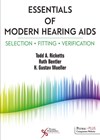
Essentials of Modern Hearing Aids - Selection, Fitting, Verification
In the preface to this book, the authors state that the purpose of the book is to take “a student through the entire hearing aid process from beginning to end in a logical and clinically applicable manner”. The book eschews...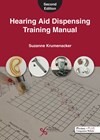
Hearing Aid Dispensing Training Manual - Second Edition
This text focuses on preparing US trainee hearing aid dispensers for their state practical exams, and the content is tailored to addressing the key assessment criteria. However, the basic topics covered are useful for hearing aid dispensers and potentially audiology...
Aided speech auditory brainstem response
Auditory brainstem response (ABR) is commonly used for hearing screening and is considered as one of the important means of objective audiometry. Speech ABR is a relatively new concept and is regarded as a marker of speech encoding at the...
Frequency Compression – is there a benefit?
The goal of this study was to investigate whether frequency compression (FC) hearing aids provide more benefit than conventional hearing aids. Twelve experienced hearing aid users 65-84 years of age with moderate to severe high frequency hearing loss wore the...Standards for Safe Listening – how they align and how some differ
The ‘Make Listening Safe workgroup’ is an initiative of The World Health Organization (WHO) in the framework of the World Hearing Forum and is committed to creating a world where nobody’s hearing is put in danger due to unsafe listening....
Perceptions in facial ageing
A determinant of a youthful face is based on how facial aesthetic units flow together. Facial ageing results in surface and subsurface structural changes. These factors contribute to the position of bony landmarks, formation of wrinkles and lines and variability...
Facial paralysis risk factors in benign parotid surgery
The literature shows that the risk of facial paralysis following benign parotid surgery can be as high as 57% for temporary weakness and 7% for permanent facial nerve damage. It is generally thought that the factors involved may be related...