You searched for "septum"

201 results found

Budesonide nasal irrigation for chronic rhinosinusitis: is it effective and safe?

Budesonide respules used in nasal irrigations as part of chronic rhinosinusitis management are usually at a dose of 0.25 mg to 2 mg, which is substantially higher compared to budesonide nasal spray, typically ranging from 64 to 256 micrograms. Hence,...
From the editor Nov/Dec 2024

Declan Costello, MA, MBBS, FRCS(ORL-HNS),Consultant Ear, Nose and Throat Surgeon, Wexham Park Hospital, Slough, Berkshire, UK. E: d.costello@nhs.netTW / X: @Voicedoctor_uk Never let it be said that we don’t provide a broad range of topics for you to digest. For...

59th South African ENT/AAO-HNS/SAAA/SASLHA conference

Dr Pieter van Dyk, Mr Gawie Rossouw and Mr Anirvan Banerjee enjoying the post-rugby match celebrations. Duane Mol, Otologist in Private Practice, The Ear and Eye Clinic, Johannesburg, South Africa. ‘Back to Basics’ was a great way to summarise this...

OBITUARY: Alan Gibb (1919-2020)

Alan Gibb, who passed away on 5 September aged 101, was the Grand Old Man of British Otology. He slipped quietly away at home on Deeside from the long-term consequences of a stroke about two years ago, from which he...

Nasal and aural foreign body removal: another technique for a common problem

Trying to remove foreign bodies from the ears and noses of children is something we have all struggled with at various times. Many people have their own top tips, and here Oliver McLaren and Alexander Walkden describe an ingenious way...

‘Cutting-edge’ surgical education: exploring the SurgSchool App

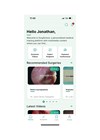
SurgSchool is an educational surgical app, where high-quality operations can be viewed with the surgeon’s commentary. It was founded in October 2023 by Enrique Casqueiro Cons, a civil engineer by trade with a background in business, and otologist Dr José...

Endotypes in chronic rhinosinusitis: clinical relevance

Identifying endotypes enables personalised therapies that target specific pathophysiological processes, potentially resulting in better treatment outcomes for patients. The contemporary model of chronic rhinosinusitis (CRS) pathogenesis revolving around endotype, in combination with an expanding toolbox of diagnostics and therapeutics, enables...


Patient-led wax and aural foreign body removal technology – is it safe?

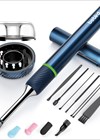
As ENT and audiology professionals, wax impaction and aural foreign bodies are common presentations to our clinic that can cause significant distress to patients and can preclude diagnostic testing such as pure tone audiograms and tympanometry. We often advise patients...

Aerosol research and performance

Is singing safe? This was a question asked around the world at the start of the pandemic in early 2020. Natalie Watson and Chris Orton tell us about a rapidly-convened research group that led to profound changes in UK Government...

Cochlear implantation in children with congenital single-sided deafness

To date, there has been very limited data supporting the effectiveness of early provision of a cochlear implant to the deaf ear in infants with congenital single-sided deafness. In this article, the authors share their pioneering work with this special...

Expanding access to cochlear implants in India: a government-funded journey towards inclusive hearing healthcare

India’s state-funded cochlear implant programmes are transforming hearing care, improving access for children and adults across socioeconomic divides. India boasts a demographic landscape where a substantial portion of its population comprises children, and they play a pivotal role in shaping...

Transnasal oesphagoscopy

In this useful and practical article, the authors describe their use of transnasal oesophagoscopy, including the range of clinical scenarios in which it is used. What is TNO? Transnasal oesphagoscopy (TNO) is a technique that can be used in the...