You searched for "ears"

Scribe 2.0: streamlining clinical workflow with AI
A standard NHS clinic appointment lasts 15 minutes. In that time, you are expected to call the patient in, greet them, take a full history, perform an examination, formulate a differential diagnosis, explain that diagnosis, discuss investigations, request those investigations,...Hubert Struycken and his monochord: when otologists still played the violin
It is almost impossible to imagine audiometry today without electronic tone generators, digital electronics or computers. At the beginning of the last century, however, the otologist relied on much simpler tools: a pocket watch, a tuning fork, or a Galton...Audiology in this issue...Hyperacusis (Jan/Feb19)
Audiologists, otologists, and auditory neuroscientists are accustomed to dealing with problems of hearing loss but, until recently, little attention has been given to the experience of hearing sound too intensely. This experience is variously given the names hyperacusis, and reduced or decreased sound tolerance, and the affected individual finds everyday sound intensely and excruciatingly loud, rendering workplaces, shops, and social spaces intolerable.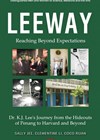
Leeway: Reaching Beyond Expectations
Leeway is a book that takes us through an 80-year journey of one man’s determination, ambition and unbelievable achievements. Prof KJ Lee, as he is known to many today, was born in Malaya in 1940. Ahchu, ‘sweet potato’ in Malaysian,...
Outcomes for transoral vestibule approach thyroid surgery
Ed’s choice explores a systematic review examining one of the recent innovations in head and neck surgery. It may come as a surprise to some that within a few years of the first published cases of transoral vestibule thyroidectomy, an...
Is there increased cardiovascular risk with macrolide antibiotics?
This month’s Ed’s Choice delightfully reviews the potential cardiovascular consequences of long-term macrolide use in the treatment of chronic rhinosinusitis. This used to be one of my ‘go-to’ topics of conversation at home after a bad day at work, although...