You searched for "otologic"

A modification of the crescentic flap for nasal skin reconstruction
Non-melanoma skin cancers are the most frequent skin tumours and in over 25% of cases affect the nose. Following excision, the reconstruction may be challenging. Reconstruction aims to preserve the anatomical units, nasal functions and also an aesthetic final outcome....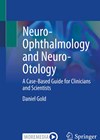
Neuro-Ophthalmology and Neuro-Otology: A Case-Based Guide for Clinicians and Scientists
As Daniel Gold points out in his preface, the idea for this title was borne from the observation that, despite the considerable overlap between the fields of neuro-ophthalmology and vestibular neurology, there is no single text that marries these two...19th Annual National ENT Masterclass®
Miss Eleanor Crossley, Association of Otolaryngologists in Training (AOT) President and ENT Registrar, South London DeaneryDoncaster Royal Infirmary was again the home of the 19th International ENT Masterclass in January 2025. The three-day programme was packed with sub-specialists and delegates...
Evaluation of secondary otalgia
This Turkish prospective study of 200 patients looked at the pain characteristics of secondary otalgia related to temporomandibular disorders (TMD) and cervical region disorders (CRD), and how they can affect diagnostics. Patients were included if they were >18 years of...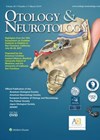
International consensus paper on implantable devices for conductive or mixed loss
This is a weighty but insightful ‘Special Feature’ paper in the June edition of Otology and Neurotology. It has the broad aim to gather current opinion from otologists, audiologists, manufacturers and health-economists from around the world on unilateral hearing implantation...The (Ancient Egyptian) ear that hears badly: otology in Ancient Egypt 1500 BC
The Ebers Papyrus was written around 1500 years before the birth of Christ, and is arguably the most complete and most beautiful of the medical texts to have survived from ancient Egypt. It was purchased from a Coptic antiquarian in...Unanswered questions in adult ototoxicity associated with platinum-based chemotherapy
Do the potential side-effects on hearing and tinnitus need to be a ‘necessary evil’ of platinum-based chemotherapy? How strong is our evidence base when offering advice to patients and fellow clinicians? David Baguley and his team from the University of...In Conversation with Professor Shakeel R Saeed - EAONO
The European Academy of Otology and Neuro-otology (EAONO) will hold its 2020 meeting in London. Haroon Saeed, Specialist Trainee in ENT, asked Professor Shakeel Saeed, EAONO President, about the upcoming event. Professor Shakeel Saeed In a nutshell, what is the...
Hearing Conservation: In Occupational, Recreational, Educational, and Home Settings (1st edition)
Hearing Conservation was released in September 2011 by Vishakha Rawool, Professor of Audiology at West Virginia University. The book is intended for audiologists, researchers and graduate level students, as well as other professionals working in the fields of hearing conservation...
Cobalt hip implants and auditory-vestibular outcome
Cobalt-chromium (Co-Cr), metal-to-metal hip implants were commonly used until several side-effects were reported due to an increased level of Co and Cr metal ions in patients’ blood. Although this type of hip replacement was almost completely abandoned, there are still...
Immunosuppresants and ototoxicity
There is a wide range of immunosuppressant drugs ranging from calcineurin inhibitors (e.g. cyclosporine), anti-folic agents (e.g. methotrexate) to anti-TNF and monoclonal antibodies, many of which could be ototoxic. The authors performed a systematic review assessing ototoxicity secondary to immunosuppressant...