You searched for "symptoms"

Persistent postural-perceptual dizziness: a functional neuro-otologic disorder
Persistent postural-perceptual dizziness (PPPD) is a neuro-otological disorder that is the most common cause of chronic vestibular syndrome. It is not a purely structural or psychiatric disease but a functional disorder. The authors reviewed the literature to summarise the diagnostic...
Diagnosis and management of acute sensorineural hearing loss: a Japanese perspective
In this paper, the authors set out the clinical guidelines to standardise diagnosis and treatment of acute sensorineural hearing loss in Japan. They categorised acute sensorineural hearing loss into five disorders: idiopathic sudden sensorineural hearing loss (iSSNHL), acute low-tone sensorineural...
Management of patulous eustachian tube dysfunction
Idiopathic sudden sensorineural hearing loss (iSSNHL) is defined as a hearing loss of 30 dB or more at three contiguous frequencies within 72 hours, with acute low-tone hearing loss (ALHL) excluded from this category. Despite standard treatment, outcomes vary: one-third...
Wandering foreign bodies in the upper aerodigestive tract
Fish and chicken bones, along with metal wires, are among the most commonly ingested foreign bodies. Due to their linear shape and sharp edges, they can sometimes migrate beyond the lumen, making conventional endoscopic extraction unsuccessful. This issue is further...
Canal cholesteatoma
This is a retrospective study of patients with external auditory canal cholesteatoma (EACC) managed at a single tertiary centre from 1 January 2010 to 1 January 2021. Ninety patients (100 ears) were included. Mean age at diagnosis was 56+23 years....
Office treatment for persistent rhinorrhoea
Vasomotor rhinitis (VR) is a common condition across the world. Patients suffering from VR commonly have symptoms of persistent bilateral rhinorrhoea, that can have a significant negative impact on their quality of life. Vasomotor rhinitis can be treated medically with...Aspirin desensitisation for aspirin-exacerbated respiratory disease (AERD)
In this article, the authors describe the importance of identifying aspirin-exacerbated respiratory disease in patients with chronic rhinosinusitis refractory to standard medical treatment. This can then open the door to considering aspirin desensitisation treatment which, in their hands, has proven...Improving paediatric reflux care with non-invasive diagnostics
BIOHIT HealthCare recently published a blog exploring the challenges of diagnosing and managing reflux in infants and children. BIOHIT spoke with David Wynne, consultant paediatric ENT surgeon at the Royal Hospital for Children in Glasgow, who discussed how non-invasive objective...
A dizzying response to the silent killer
In this recent case control report by Kandemir and colleagues, we are asked to consider the association between hypertensive disease and hearing impairment, tinnitus and dizziness. A 200-strong cohort of normotensive and newly-diagnosed hypertensive patients underwent pure tone audiometry, Tinnitus...COVID-19 ENT Useful Resources
Below is a list of useful resources connected to the COVID-19 pandemic. This list will be updated as and when more become available. 1 June - BLA & ENT UK Guidelines (endorsed by RCSLT) : A graduated return to elective...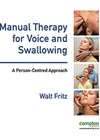
Manual Therapy for Voice and Swallowing
This 300-page practical book on Manual Therapy for Voice and Swallowing is written by a single author, Walt Fritz, who is a US-based manual therapist. The first 150 pages include an overly detailed introduction, including his personal view and journey...