
You searched for "Singing"
Rethinking tinnitus ‘care’: the role of digital solutions
Experiencing tinnitus can be very distressing and accessible care is limited. Digital therapeutics is one way of addressing these concerns, as described by Dr Bardy. Tinnitus presents a significant clinical challenge for various healthcare professionals, including general practitioners (GPs), ENTs...When everyday sounds are unbearable: understanding pain and loudness hyperacusis
Everyday sounds can feel unbearably loud or physically painful for people with hyperacusis, a complex disorder that may require tailored, cautious care. Hyperacusis is a disorder in which everyday sounds are experienced as uncomfortable or intolerable. For some people, sounds...
BPPV and pregnancy
This narrative review explores the limited evidence surrounding benign paroxysmal positional vertigo (BPPV) during pregnancy. Although BPPV is the most common vestibular disorder and is known to affect women more frequently than men, the literature specifically examining its occurrence in...Oscar Wilde’s Final Irony
The celebrated writer and poet, Oscar Fingal O'Flahertie Wills Wilde was born on 16 October 1854 in Dublin. He distinguished himself as a classicist at Trinity College Dublin before, earning a scholarship to Oxford University, where he gained a double...BSO Annual Meeting 2026
The British Society of Otology Annual Meeting 2026
The Human Ear Canal
If ever a book aptly lived up to its name, it would be ‘The Human Ear Canal’ by Dr Ballachandra. Not once straying from its path, this second edition aims to take the reader on a somewhat tangential tour of...Cognitive effort and listening in everyday life
Dining with family members, amongst the clinking of dishes and glasses, the sounds of conversations and laughter, the husband, a user of hearing aids, misses his wife’s request to bring another bottle of wine. After a third try, the wife,...Endoscopic Dacryocystorhinostomy
Epiphora, or abnormal tearing, occurs because of blockage in the lacrimal drainage system, which impairs normal tear channeling into the nose. Dacryocystorhinostomy (DCR) is used to treat patients diagnosed with lacrimal sac or nasolacrimal duct obstruction (NLDO). External DCR was...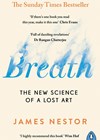
Breath – The New Science of a Lost Art
‘Popular science’ has become a discrete genre in the publishing world and there seems to be an insatiable desire for well-written books that explain the mysteries of human physiology to ‘lay’ readers. This is one such book, and the author...From battlefield to homefront: how the First World War shifted perceptions of deafness
The First World War marked a pivotal moment in the understanding and treatment of hearing loss and deafness. Prior to the war, deafness had been largely attributed to congenital causes. This view was influenced by a negative eugenic Darwinist ideology...
No soup for you…! Early identification of postoperative perforation increases the success of conservative management
Iatrogenic perforation of the hypopharynx or cervical oesophagus is a well-recognised life-threatening complication. Previous studies have demonstrated that conservative management with broad-spectrum antibiotics and withholding oral feeding may avoid morbidity associated with surgical repair. This study addresses when conservative management...


