
You searched for "Septal"
Audiology in this issue...Psychology (May/Jun19)
Alex Griffiths-Brown, BSc(Hons), MRes, Audiologist, The Shrewsbury and Telford Hospitals NHS Trust, Shrewsbury, UK. E: alex.griffiths-brown@nhs.net@griffithsbrown1 Whether using ‘client centred counselling’ [1] when seeing adult hearing aid patients, employing motivational interviewing [2] during tinnitus consultations or considering the stages of...ENT in this issue...BACO 2020
Emma Stapleton, MBChB, FRCS (ORL-HNS), Consultant Otolaryngologist, Cochlear Implant and Skull Base Surgeon, Manchester Royal Infirmary, UK. E: emmastapleton@doctors.org.uk Twitter: @otolaryngolofox Are you going to BACO?” was the question on everyone’s lips. The year was 2006, I was a junior...New trustees for Tinnitus UK
The Tinnitus UK team at a recent roadshow event. Tinnitus UK has appointed a new Chair of the Board of Trustees, Pierre Espinasse, as well as a number of new board members. Pierre is a former chief executive of a...A new Armed Forces Tinnitus Hub
Tinnitus UK has partnered with the Veterans Welfare Group (VWG) to launch an online hub designed to support veterans, service personnel, and their families living with tinnitus.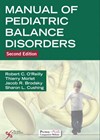
Manual of Pediatric Balance Disorders - Second Edition
This is a very welcome and recently updated book for those wishing to learn about paediatric balance disorders. It has a multidisciplinary authorship and therefore all the specialties involved in the management of a child with balance problems should be...
How do you solve a problem like Dysphagia?
When a patient is referred to a speech and language therapist for the management of swallowing difficulties, multiple options are available to address these issues. The choice is based on a detailed assessment of the patient’s swallowing physiology and function....
Cochlear implantation in adults has a positive impact on overall cognitive function as early as six months postop
The link between improving hearing and thus improving cognition is an important emerging area of research in hearing rehabilitation, due to the independent association between hearing loss and dementia. This study uses visually assessed neurocognitive tests of working memory, information...
Remembering how to speak
Reminiscence therapy (RT) is an approach that provides people with dementia opportunities to recount nostalgic memories and access thoughts for communication. It is one of the most commonly used therapies in aged care settings. The aim of RT is to...
Pharmacologic treatment options for tinnitus
This article summarises potential medications that could be used to treat tinnitus and the evidence behind their use. Effective medications to eliminate tinnitus remain elusive but treatment could be divided into two broad categories: treatment to reduce perception of tinnitus...
Third-party disability in cochlear implantation
The authors of this study note significant third-party disability experienced by significant others (SO) or communication partners of persons with hearing impairment (PHI). The study explored contextual and psychosocial factors for successful auditory rehabilitation, advocating for the importance of including...
Cochlear implant and age
In an American ageing society with more prevalent hearing loss, fewer geriatric patients are opting for cochlear implants (CI). This is mainly due to comorbidities and potential complications. Authors conducted a retrospective review of CI patients from 2015 till 2021....


