You searched for "Stricture"

The role of stapedotomy techniques in predicting surgical outcomes
Several techniques have evolved in the surgery of stapedotomy for otosclerosis, especially with availability of laser. In this multicentre retrospective study, comprising 615 stapedotomies, the authors have compared three different methods: diode laser stapedotomy (group A), sole use of microdrill...
Cervicogenic vertigo, a view from the experts
Many readers would be familiar with the term ‘cervicogenic vertigo’ to mean neck-related vertigo or dizziness. In simple terms, this disorder has been defined as dizziness/vertigo caused by neck pain and/or stiffness. By implication, the vertigo/dizziness should resolve by treating...
aVOR – An Educational Tool
As anyone who has tried to learn the anatomy and physiology of the vestibular system can attest, understanding and visualising the structures and their functions can be quite challenging. Thankfully, there is now a free app called aVOR (iOS, iTunes...Soluvos Medical is looking forward catching up after the summer break
The Soluvos team is preparing for the post-summer meetings and hoping that you will all be keyed up and looking forward to participating again.Enhancing surgical outcomes in TOETVA – with neuromonitoring essentials by Langer Medical
Intraoperative neuromonitoring has become a standard practice in all thyroid surgery, allowing for the precise localisation and reliable monitoring of neurophysiological structures at-risk.
Incidental paranasal sinus fungal balls
Fungal ball (FB) sinusitis, also referred to as mycetoma or aspergilloma, is a chronic non-invasive mycotic disease. This study aimed at analysing the natural history and outcomes of patients with incidental paranasal FB on imaging. This was a retrospective study...Young ESPO surveys on paediatric hearing care
The European Society of Pediatric Otorhinolaryngology invite participation in two surveys on behalf of the Young ESPO Committee. These address distinct areas of paediatric hearing care and therefore require input from colleagues with different areas of expertise.
Sentinel nodes and UADT tumours
This is the review of a multicentre study to set practical guidelines for sentinel node techniques (SLN) in upper aerodigestive tract (UADT) squamous cell carcinomas including classical and extended indications. SLN biopsies are strictly indicated in patients with clinically and...
Olfactory ensheathing cells and their safe harvest
This interesting and unique paper not only demonstrates that biopsy of olfactory mucosa in the region of the superior turbinate is a safe procedure but also provides valuable insight into an engaging area of research by a world class team...
Clinical Laryngology
This book provides a comprehensive approach to clinical laryngology incorporating anatomical, physiological, pathological, functional and structural aspects of laryngology. All chapters are up to date and provide useful information, especially following chapters are very well written with lot of images,...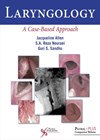
Laryngology: A Case-Based Approach
This unique book was written based on the novel enquiry-based teaching method particularly to illustrate laryngology conditions. It contains both adult and paediatric pathology. Each chapter starts with one or more case scenarios along with other useful subheadings to explain...