
You searched for "community"
ENT in this issue...Global Ear and Hearing
GUEST SECTION EDITORS Prof Mahmood F Bhutta, DPhil FRCS (ORL-HNS), Consultant and Honorary Professor in ENT Surgery, University Hospitals Sussex and Brighton & Sussex Medical School, UK. E: m.bhutta@doctors.org.uk Prof Jackie L Clark, MS, PhD, Clinical Professor, Behavioral & Brain...BLA announces membership election results
The British Laryngological Association (BLA) has announced the results of its bi-annual election.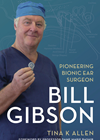
Bill Gibson: Pioneering Bionic Ear Surgeon
Professor Bill Gibson is one of the great pioneers of inner ear surgery and the recent publication of his biography is a reflection of his remarkable life and career. Bill Gibson: Pioneering Bionic Ear Surgeon will be enjoyed by everyone...
Misophonia
Decreased sound tolerance is a common audiologic complaint. Unlike the classic characteristics of hyperacusis whereby a patient is sensitive to the frequency or volume of a sound, misophonia is a strong emotional and psychological reaction to a sound with a...OBITUARY: Nobuhiko Isshiki (1930–2022)
Ushering in a new era, the pioneer of laryngeal framework surgery remains an inspiration to this day. Prof Nobuhiko Isshiki in 2016 (courtesy: Mr Yakubu Karagama). The laryngological world has lost a great man. Professor Nobuhiko Isshiki passed away in...OBITUARY: Max McCormick
It is with great sadness that we record the passing of Max McCormick, a treasured friend and an eminent and greatly valued colleague. Max was a larger-than-life charismatic character who was both loved and esteemed by the entire UK ENT...Soluvos Medical: exclusive A.R.C. Laser partner in the UK from 1 March 2025
Soluvos Medical is delighted to announce that, as of 1 March 2025, they will be the exclusive A.R.C. Laser partner in the UK. Driven by a commitment to clinical excellence and innovation, Soluvos Medical is proud to deliver state-of-the-art laser...OBITUARY: Randall Payne Morton (1948 - 2025)
Randall Payne Morton. Sadly I report the recent death of Randall Payne Morton, Professor of ORL-HNS in Auckland, New Zealand, on the 11 September 2025, after a long and protracted illness. I first met and worked with Randall during his...Hearing and balance clinical trials network (HEARING CTN)
About the HEARING CTN The HEARING CTN is a new UK research network focused on promoting research collaboration and supporting high quality research studies, with the aim of improving the evidence supporting the diagnosis and management of hearing loss and...HEAL 2024: Hearing Across the Lifespan
This year around 350 people representing 40 countries attended, with about 290 oral and poster presentations. Special sessions addressed a range of global challenges, including Precision Diagnostics and Therapy Across the Lifespan, Empowering healthcare professionals in supporting older adults with comorbid hearing and cognitive impairment Listening effort and Ecological Momentary Assessment.68th Annual Convention of the Philippine Society of Otolaryngology - Head and Neck Surgery
The world of otolaryngology head and neck surgery continues to evolve at a rapid pace, and nowhere was this more evident than at the 68th Annual Convention of the Philippine Society of Otolaryngology-Head and Neck Surgery (PSO-HNS), held from December 6 to 8, 2024, at the gleaming halls of EDSA Shangri-La Hotel in Manila, Philippines.


