
You searched for "reinnervation"
From the editor SeptemberOctober 2022
Declan Costello, MA, MBBS, FRCS(ORL-HNS), Editor, ENT & Audiology News; Consultant Ear, Nose and Throat Surgeon, Wexham Park Hospital, Slough, Berkshire, UK. E: d.costello@nhs.net A few weeks ago, the ENT & Audiology News editorial team had a very productive meeting...Audiology in this issue...Genomics
Priya Carling, AuD, Director and Consultant Audiologist, Kent Hearing Ltd, UK. E: priya@Kenthearing.com As a working clinical audiologist, my focus every day is predominantly diagnostics of hearing loss, closely followed by management of ear pathology and rehabilitation of hearing loss...
Effects of diet and exercise on tinnitus
Subjective tinnitus is the perception of sound without any external stimulus. There is no consensus on the aetiology of tinnitus. Obesity is one condition that has been associated with subjective tinnitus. The authors conducted a randomised controlled trial to assess...
How does endoscopic surgery for subglottic stenosis affect voice outcomes?
Patients with subglottic stenosis (SGS) require interventions to improve their breathing and airway patency. Increasingly, these interventions are completed endoscopically but little is known about how endoscopic surgery impacts voice outcomes. The authors of this study completed a systematic review...How neuroimaging has changed our understanding of tinnitus
Brain imaging advances are revealing tinnitus-related neural networks, shedding light on its pathophysiology, heterogeneity and potential therapeutic targets. Tinnitus is a highly common but poorly understood disorder [1]. Its subjective nature and the fact that its treatment may span multiple...
Internet-based aural rehabilitation (IAR)
Rapid information technology development allows use of the internet in several areas. It is therefore not surprising that online rehabilitation programmes attract a large interest of researchers worldwide. This study aimed to analyse what participants’ experiences of IAR are. The...
Peer-support group for people with a hearing loss
Peer-support groups’ (PSGs) involvement in rehabilitation of people with different health issues can have a very positive impact on the patients’ wellbeing as showed in a various literature on the subject. This study involves analysis of data from previous studies...ENT in this issue...BACO 2020
Emma Stapleton, MBChB, FRCS (ORL-HNS), Consultant Otolaryngologist, Cochlear Implant and Skull Base Surgeon, Manchester Royal Infirmary, UK. E: emmastapleton@doctors.org.uk Twitter: @otolaryngolofox Are you going to BACO?” was the question on everyone’s lips. The year was 2006, I was a junior...
Lonely, so lonely
The pandemic has evidenced the negative mental and physical health outcomes that are associated with isolation and loneliness. This study was undertaken in Australia, where one quarter of the population live alone. Giving our ageing population worldwide, the number of...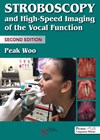
Stroboscopy and High-Speed Imaging of the Vocal Function – Second Edition
When I was asked to review this book, I was really looking forward to receiving it and eagerly awaited the postman on a daily basis until it arrived. Needless to say, it did not disappoint. The author, Peak Woo, is...Atmos Scope: New standards in ENT endoscopy and swallowing diagnostics in HD quality
In April, Atmos MedizinTechnik GmbH & Co. KG will launch the next generation of endoscopes for ENT and swallowing diagnostics— the Atmos Scope.


