
You searched for "vaccination"
From the editor NovDec 2019
Declan Costello, MA, MBBS, FRCS(ORL-HNS), Editor, ENT & Audiology News; Consultant Ear, Nose and Throat Surgeon, Wexham Park Hospital, Slough, Berkshire, UK. E: d.costello@nhs.net Welcome There are many jokes told by anaesthetists about surgeons, and perhaps even more in the...National selection: is the research section of the portfolio fit for purpose?
Applications for ENT training roles in every country require certain criteria to be met. In the UK, ST3 recruitment applications have scores allocated to research experience. In this opinion piece, the authors share their assessment of the potential issues around...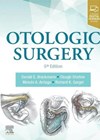
Otologic Surgery - 5th Edition
Otologic Surgery 5th Edition, edited by Derald Brackmann, Clough Shelton, Moises Arriaga and Richard Gurgel, is a textbook masterpiece. The book is written in tribute to the editors’ mentors: Drs Howard House, William House and James Sheehy, whose pioneering work...
How the world sees facial palsy patients
This paper from Australia gives an insightful perspective on the impact of facial paralysis on patients, and may explain the well-documented poor quality of life scores in this patient group, particularly those ‘successfully reconstructed’ with surgery. It explores how the...Cytomegalovirus (CMV) and the vestibular system: a case study
This team of audiologists from Cincinnati Children’s Hospital Medical Centre discuss an eight year old with congenital CMV, a neonatal infection which is usually asymptomatic, and provide guidance on how to recognise the signs in the paediatric population, and screen...Ear wax removal: should anyone and everyone perform it?
Earwax removal is a controversial and much-debated issue in audiology. Risks and public safety call for reforms, sparking discussion on professional standards. Earwax is a natural secretion produced by the ear. It is an amalgamation of desquamous epithelial skin cells,...Audiology in this issue...Current Topics in Tinnitus
Prof David Baguley, PhD, MBA,Professor of Hearing Sciences, NIHR Nottingham Biomedical Research Centre, University of Nottingham; Division of Clinical Neuroscience, School of Medicine, University of Nottingham; Nottingham Audiology Services, Nottingham University Hospitals Trust, Nottingham, UK. Until really quite recently, the...Mindfulness based approaches to tinnitus management: meditations on a new approach
Psychological approaches to tinnitus There is now widespread agreement that an individual’s interpretation of tinnitus can determine how distressing they find it. If tinnitus is regarded as non-threatening then habituation normally follows. If, however, tinnitus is interpreted as threatening, habituation...In conversation with George Tavartkiladze
For decades, Professor Tavartkiladze has been the personification of Russian audiology and its best known ambassador on the international stage. Hailing from the republic of Georgia, he has led countless seminal initiatives within Russia to advance the science and practice...The Journal of the Colleges of Medicine of South Africa (JCMSA): a model for sharing research from low- and middle-income countries
A new open-access journal from South Africa offers a sustainable model to amplify research from low- and middle-income countries and rebalance global health knowledge. More than 80% of the world’s population lives in low- and middle-income countries (LMICs). Yet high-income...
Trends in parathyroidectomy
The authors retrospectively analysed Hospital Episode Statistics data for parathyroidectomy between 2000 and 2010. Overall, parathyroidectomy rates nearly doubled from 3.3/100,000 population in 2000 to 5.8/100,000 in 2010, with particularly significant increases in elderly patients. The authors attribute this rise...


