
You searched for "protection"
Persistent symptoms of smell loss after COVID-19 infection
Anosmia as a result of COVID-19 infection is well recognised. This timely and topical French paper looks at 115 patients with proven SARS-CoV-2 infection, who were contacted with specific questions about olfactory and gustatory disturbance. They found 81% of patients...
Auditory deprivation and single-sided deafness
In cases of bilateral auditory deprivation, there is clear evidence of an inverse relationship between performance after cochlear implantation and the length of severe to profound deafness prior to implantation (i.e. the longer the deprivation the poorer the outcome on...Imaging tinnitus
Tinnitus is a common sensation with a reported prevalence of 7-32%. The British National Study of Hearing recorded that 10% of adults suffered from prolong spontaneous tinnitus, and approximately a quarter of these are subsequently referred to hospital for investigation...The sound of music for adult cochlear implant recipients
Dr Valerie Looi has dedicated her academic career to investigating music perception in people who have cochlear implants, and more recently, the potential of music training for improving their music perception. This article outlines current research relating to music perception...
Is major ear surgery financially viable?
It is difficult to ignore the present reality in the NHS that understanding clinical coding is perhaps of more relevance to the practising clinician than the human genome! Clinician engagement is becoming more essential to protect patient care and maximise...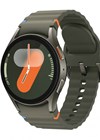
Wearable tech revolutionising sleep monitoring: a new era in sleep health
Restful sleep is crucial for health but conditions like obstructive sleep apnoea (OSA) can significantly disrupt it, leading to fatigue, cardiovascular issues, and other serious health problems. Polysomnography (PSG) remains the gold standard for OSA diagnosis [1], however it is...Bishop Berkeley and the Freireich experimental hypothesis
Our resident reporter at large tells us about two of his heroes, both of whom have quite clear merits and foibles. My patients just keep on getting better. You may well point out that under the care of a clinician...AOT President, Manish George, highlights the many issues COVID-19 has created for trainees
It is clear that COVID-19 has created multiple wide-reaching issues for trainees as a whole. Whilst an earlier preoccupation of mine has been to...


