You searched for "smoking"
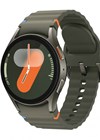
Wearable tech revolutionising sleep monitoring: a new era in sleep health
Restful sleep is crucial for health but conditions like obstructive sleep apnoea (OSA) can significantly disrupt it, leading to fatigue, cardiovascular issues, and other serious health problems. Polysomnography (PSG) remains the gold standard for OSA diagnosis [1], however it is...
Compression for Clinicians: A Compass for Hearing Aid Fittings
This book aims to make the sometimes difficult-to-understand theories more understandable. The author achieves this in an engaging and often amusing way; you can never have too many song lyrics in a book to help the reader understand the wider...Deaf scholar is UK first
The first deaf scholar ever to achieve full professor status in the field of deaf studies and sign language studies in the UK has been announced at Heriot-Watt University in Edinburgh.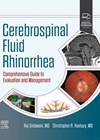
Cerebrospinal Fluid Rhinorrhea: Comprehensive Guide to Evaluation and Management
Cerebrospinal Fluid Rhinorrhea: A Comprehensive Guide to Evaluation and Management stands out as a vital resource for professionals in otolaryngology, neurosurgery, ophthalmology, neurology, and radiology. This comprehensive guide covers an array of CSF leak causes, offering in-depth insight into their...
No soup for you…! Early identification of postoperative perforation increases the success of conservative management
Iatrogenic perforation of the hypopharynx or cervical oesophagus is a well-recognised life-threatening complication. Previous studies have demonstrated that conservative management with broad-spectrum antibiotics and withholding oral feeding may avoid morbidity associated with surgical repair. This study addresses when conservative management...
Preoperative tumour embolisation
This review article analyses the role of preoperative endovascular tumour embolisation in the treatment of a variety of hypervascular head and neck lesions including juvenile nasal angiofibroma, glomus tumour, carotid body tumours, and meningioma. Although the concept of tumour embolisation...