You searched for "meetings"
Otorhinolaryngology training in Haiti: a call for accompaniment
Haiti is a small Caribbean country in which a group of freedom fighters successfully defied Napoleon and the French military. It has faced embargoes, economic isolation, political crises and devastating natural disasters since its independence. Its GDP is 0.01% of...Laryngotracheal stenosis and malacia care
Why laryngotracheal stenosis and malacia (LTSM) care matters now? In late 2019, reports began to emerge of severe respiratory infections caused by a novel coronavirus. In the months that followed, intensive care admissions in the UK rose more than tenfold....
Prophylactic gastrostomy tubes in advance of chemoradiotherapy for advanced head and neck malignancies – are they worthwhile?
It is well recognised that radical chemoradiotherapy (CRT) for head and neck cancers can significantly affect swallowing, especially if radiotherapy is delivered to the hypopharynx and/or both sides of the neck. As such, prophylactic gastrostomy tubes are often advocated in...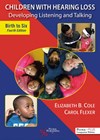
Children with Hearing Loss: Developing Listening and Talking, Birth to Six – Fourth Edition
This book is targeted at a wide audience, from students and healthcare professionals to parents of children with hearing loss. The book is split into two sections: the first section aims to provide the reader with background infomation about hearing...
Self-report of hearing aids handling difficulties
The authors have raised an interesting subject concerning the ability of customers to self-assess their hearing aid handling skills. Previous studies showed that 96% of customers when asked if they are able to manage their hearing aids answered ‘yes’. However,...
Non-autologous graft material in paediatric tympanoplasty – is it as good as temporalis fascia and is it cost-effective?
This retrospective case review looks at the experience of a single unit using a variety of autologous (temporalis fascia, n=292) and non-autologous graft material, n=241 (alloderm (human dermis), biodesign (porcine submucosa, $170-$255) and tutoplast (human pericardium, $350). The average patient...
Strength of evidence in otolaryngology research – do women make the difference?
Clinicians around the world understand the need for research and publication of gathered evidence to inform practice and improve patient outcomes. The introduction of the Oxford Centre for Evidence-based Medicine (CEBM) Levels of Evidence guideline in 2011, has been invaluable...Romet Electronic Larynx
Romet Electronic Larynx is the oldest family-owned and operated supplier of Electronic Larynx devices in the world.
Sinus airflow after FESS using models and fluid dynamics
This is a very interesting study from Australia and New Zealand looking at flow of air into the nose and sinuses after FESS surgery. There is plenty of data regarding computational fluid dynamics for preoperative cases but not much for...Robotics in rhinology – fantasy or the future?
Robotic surgery is advancing, but its use in rhinology lags due to spatial constraints and high costs. Innovations in flexible robots may bridge this gap in the future. We are in a new era, one of artificial intelligence and robotics....Electronic nicotine delivery systems (e-cigarettes): what you need to know
As an aid to stopping smoking e-cigarettes may have a role, but they are heavily promoted by industry as a leisure pursuit and desirable fashion accessory. Sneh Biyani and Craig Derkay gives a thorough account of what we know about...