You searched for "intervention"

The paediatric dilemma of one ear in and one ear out of NICE criteria
The auditory implant team in Manchester have implanted a cohort of children where audiological thresholds meet the NICE guidance for cochlear implantation (CI) in one ear only, and the other falls into moderate, severe or sloping loss. These children are...
Which cross-over frequency is best for electro-acoustic stimulation?
Advances in technology and improved soft surgical techniques have led to individuals with better hearing thresholds, especially at the low frequencies, becoming candidates for cochlear implants (CI). Surgeons are more confident that residual hearing can be preserved thus making those...
How has management and outcomes of necrotising otitis externa changed over the past decade?
Necrotising otitis externa (NOE) remains a challenging condition for ENT departments, particularly with the increased prevalence of diabetes mellitus (DM) in the general population. There is no international consensus on treatment, although many institutions now have local guidelines drawn up...
Systemic steroids for sensorineural hearing loss
This Japanese retrospective study looked at whether the dosage of prednisolone affects the response rate in patients with idiopathic sudden sensorineural hearing loss. The authors included a total of 159 patients over a 14-year period who were treated with 200mg/day...Pre-clinical development of magnetic delivery of therapy to middle and inner ears
Why are we developing this technology? A key problem in drug delivery is getting the therapy to the right place in the body, which is especially challenging for targets that are small, deep and are protected or surrounded by anatomical...Audiological management of autistic children
Philippa James and Lucy Shiels explain the development of the ‘Autism Listening Clinics’, highlighting a recommended clinical approach for audiologists, the importance of remote microphone technology and sharing some wonderful caregiver experiences. Auditory challenges in autistic children Autism spectrum disorder...
Viral induced hearing loss
Viruses are a common cause of hearing loss both in children and adults. This article provides a good review of the viral causes of hearing loss and can be regarded as an essential read. The authors divide the viruses into...
Single sided deafness and cochlear implants
Cochlear implants (CI) can restore hearing in the profoundly deaf ear. Risk/ benefit and cost considerations dictate strict criteria that must be met for patients to be eligible. People with single-sided deafness are not eligible to receive a cochlear implant...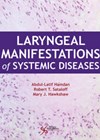
Laryngeal Manifestations of Systemic Diseases
Laryngeal Manifestations of Systemic Diseases is a unique reference manual which will cater to a wide potential audience. It would represent a good text for laryngologists coming across patients with known comorbidities or as new diagnoses of underlying pathologies, but...
Is bone cement a cost-effective solution?
This study looks at the functional results of 52 patients who underwent bone cement ossiculoplasty. Patients were divided into four groups based on ossicular disruption. Group 1 (30 patients) had lenticular erosion only. Group 2 (13 patients) had absent incus....
Possibility of noise induced hearing loss during middle ear suction for secretory otitis media
Emission of high intensity sound is dangerous to the cochlea and can result in noise induced hearing loss (NIHL). Removal of middle ear fluid is common in everyday practice and the possibility of inducing NIHL is seldom considered and not...