You searched for "medication"
Fibre-delivered transoral laser surgery – description of a novel technique
Transoral flexible laser surgery refers to the use of a fibre-delivered laser for laryngeal procedures via direct laryngoscopy. We hear of a novel innovation. The continuous development of instruments to perform endoscopic procedures for treatment of laryngotracheal pathology – among...The art and science of acoustic ecology
Aki Pasoulas summarises the diverse forms and approaches of the relatively new and expanding area of acoustic ecology, a discipline that studies the relationship between living beings and their sonic environment. Sound Ecology emerged in the late 1960s through the...
Chin up, doc! A few simple manoeuvres could make all the difference in FNE
Flexible nasendoscopy (FNE) is an ENT surgeon’s bread and butter. It is integral and often considered superior to conventional radiography in the assessment of laryngeal and pharyngeal cancers. However, it is not as simple as sticking the camera in and...Rhinoplasty for cleft nose deformity
Modern cleft lip and palate repairs produce excellent functional and aesthetic results at an early age. Tony Holmes, a craniofacial surgeon with over 40 years’ experience, shares his wisdom on the best timing and techniques for addressing the associated complex...
“It’s paediatric resus calling…”
This article is one of many within this issue that addresses a variety of ENT emergencies. The article outlined the stepwise process of assessing and managing a child with a suspected foreign body (FB) inhalation. Nuts, seeds and vegetable matter...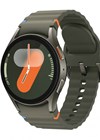
Wearable tech revolutionising sleep monitoring: a new era in sleep health
Restful sleep is crucial for health but conditions like obstructive sleep apnoea (OSA) can significantly disrupt it, leading to fatigue, cardiovascular issues, and other serious health problems. Polysomnography (PSG) remains the gold standard for OSA diagnosis [1], however it is...
Well drilling vs. subperiosteal pocket for cochlear implants – comparison of operative time, complications and cost-effectiveness
The choice of method for securing the receiver/stimulator (R/S) package during cochlear implant surgery is usually dependant on several factors, but primarily surgeon preference. The initial recommendation from manufacturers was to drill a bony well (WD technique) and use bony...
Epley manoeuvre angles
Posterior canal benign paroxysmal positional vertigo (PC-BPPV) is a common vestibular cause of dizziness regularly encountered in the outpatient clinic. The condition is often diagnosed with a positive Dix-Hallpike manoeuvre (DHM) – turning the patient’s head 45 degrees to the...The Hallpike Prize 2026
The Hallpike Prize is awarded annually by the British Association of Audiovestibular Physician (BAAP) for the best project of the past 24-month period (research, audit or review of subject) in the area of audiovestibular medicine.
A new tool to enhance smell recovery?
Vericiguat is a soluble guanylate cyclase activator which boosts intracellular cGMP and promotes smooth muscle relaxation. It is approved for use in heart failure, but the authors hypothesise that it may also enhance neuronal olfactory signalling via cGMP elevation. Eighty-eight...