You searched for "Sound"
What’s new in protecting hearing?
Preventing an avoidable hearing loss before it begins would be the public health dream. In this article Kathleen Campbell takes us through one option that is showing the potential to fulfil that ambition. Kathleen explains the development of a preventative...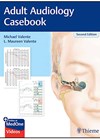
Adult Audiology Casebook (2021)
Diagnostic audiology is one of my passions so, naturally, the title of this book was an attractive proposition for the clinician in me – and I wasn’t disappointed! It is seldom that you will learn so much in both the...
Personal music systems are causing hearing loss
Sitting next to a teenager on a train with their iPod turned up loud enough for the entire carriage to hear is annoying, most will agree. Perhaps I might educate them about the risks of ‘music’ (if you can call...Unravelling the mystery of hyperacusis with pain
When a person says that sound causes them pain, how can we understand this, and determine what processes are involved? Bryan Pollard navigates us through what is presently known. Pain has long been underrepresented – and often, completely overlooked –...Misophonia: an audiologist’s perspective on recent research and assessment
From validated assessment tools to new insights into neural processing, recent research is redefining the audiologist’s role in understanding misophonia. Misophonia – literally “hatred of sound” – is a condition marked by disproportionate emotional and physiological reactions to specific trigger...Audiology in this issue...Hyperacusis (Jan/Feb19)
Audiologists, otologists, and auditory neuroscientists are accustomed to dealing with problems of hearing loss but, until recently, little attention has been given to the experience of hearing sound too intensely. This experience is variously given the names hyperacusis, and reduced or decreased sound tolerance, and the affected individual finds everyday sound intensely and excruciatingly loud, rendering workplaces, shops, and social spaces intolerable.Hearing aid microphone considerations for binaural hearing: When to select natural or aggressive directional microphone technology?
Should I use omni-directional or fixed directionality? Does it make a difference if I’m fitting a unilateral hearing loss? Mark Laureyns discusses the current evidence on directional microphones and provides practical advice on the systems and when to employ them....What happens to donated hearing aids?
According to the WHO, only 3% of people in developing countries who require hearing aids have one. Over the years many people, organisations and companies have donated old hearing aids to charities. Bhavisha Parmar, an audiologist who volunteered with Sound...Audiological approach to treatment of blast-induced tinnitus
Hearing loss and tinnitus resulting from blast waves in the war zone is becoming more common in our clinics. Hamid Jalilvand based in Tehran, shares his experience in audiological rehabilitation and research findings on patients in his clinics with a...