
You searched for "cleft"

2438 results found

Minimally invasive techniques for benign salivary gland obstruction

Salivary gland obstruction is a common condition – it is recognised by a complaint of intermittent meal-time swelling of the affected salivary gland and can be accompanied by recurrent infections. Imaging can identify the nature and location of an obstruction...

Nuclear heads – and necks

Imaging of the extra-cranial head and neck is challenging due to the anatomic complexity of the region. CT, MRI and ultrasonography (US) are amongst the most frequently utilised radiological modalities in head and neck imaging but do not always provide...

Between sirens and silence: the burden on otorhinolaryngologists in wartime Ukraine

Ukrainian ENT teams continue life-saving and routine care under air raid alerts, with staff shortages, strained resources and the long psychological toll of war. War reshapes medicine long before it destroys hospitals. It alters the rhythm of clinical work, the...

2020 Unmasked - By Behrad Barmayehvar

The face mask has become part of our lives; an essential item besides your mobile phone that you cannot leave the house without. The mask has also turned into a symbol for the communal resilience that we have all shown...
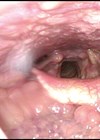


Virtual chromoendoscopy (VCE)

‘That’s a funny looking lesion on the larynx, it’s probably benign, but I should take a biopsy.’ Liz Ross and Ajith George discuss whether virtual chromoendoscopy will change this thought process. What are the origins and ENT applications? Traditional chromoendoscopy...

Why screen for hearing loss in adults?

Introduction Hearing loss affects over 10 million people in the UK – one in six of the population. Of over 50-year-olds 41.7% are estimated to have some form of hearing loss. This rises to 71.1% of over 70-year-olds, over half...

Workplace culture: observations of audiology in Northern England and Western Australia

Working with a diverse workforce and coping with transition forced me to consider the importance of cultural differences in the workplace. Only by trying to understand these differences can you understand others’ behaviour and what motivates the team. I have...

Dizziness: confusion, issues and considerations

Douglas L Beck gives his unique take on the difficulties involved in diagnosing dizzy patients and the importance of well-founded research acting as the basis for any diagnosis and treatment decisions. Dizziness. Uh-oh. We really have a very limited understanding...

Screening for hearing loss with mHealth solutions

With the number of people suffering from hearing loss growing all the time, the need for early detection and intervention is imperative. De Wet Swanepoel discusses two examples of mHealth possibilities for hearing screening which, as a low cost solution,...

Facing up to the challenge of behavioural observation in infant hearing assessment

The ability to assess detection and discrimination of speech by infants has proved elusive. Dr Iain Jackson and colleagues discuss how new technologies and fresh approaches might offer valuable insight into young infants’ behavioural responses to sound. The limits of...

Middle ear muscle disorders: presentation, diagnosis and management

Patients often report symptoms relating to disorders of the middle ear muscles. Prof Bance gives us an overview of the anatomy and function, as well as guides our diagnosis and management. The middle ear muscles (MEMs) are a mystery, both...

Clinical strategies for improving music listening

For audiologists and patients alike, the technical challenges of fitting hearing aids for music are well known. Drs Greasley and Crook introduce their research and top tips for improving satisfaction in this important topic. Hearing aids are often problematic for...
