You searched for "wound"
From the editor MarApr 2020
Declan Costello, MA, MBBS, FRCS(ORL-HNS), Editor, ENT & Audiology News; Consultant Ear, Nose and Throat Surgeon, Wexham Park Hospital, Slough, Berkshire, UK. E: d.costello@nhs.net As I write this editorial, the world is holding its breath while it follows the coronavirus...Globe trotter: Vasant Oswal launches memoir
Vasant Oswal was brought up in an era when public transport in India relied on horses. From humble beginnings in Pune in the western state of Maharashtra, he went on to become a pioneer in laser surgery in the larynx. He would also receive a Fellowship by Election at the Royal College of Surgeons, not to mention serving as Editor in Chief of ENT and Audiology News.Dementia assessments for people with deafness, deafblindness or visual impairment in Scotland
How is the medical community doing with assessing cognitive decline in those with a sensory impairment? The ALLIANCE Scottish Sensory Hub was tasked with finding out. Background There is growing evidence of a connection between dementia and sensory loss. However,...Anaesthesia for free-flap surgery
Adel Hutchinson is one of those calm and controlled anaesthetists for whom nothing seems too difficult. In this article, she describes the key perioperative factors for one of the highest complexity operations in ENT; free-flap surgery. It makes good reading...How trainees can make major contributions to practice
At a time when many of our trainees feel poorly supported and disheartened, the formation of a National ENT Trainee Research Network (Integrate) has been a major advance, enabling them to develop and execute research projects directly relevant to clinical...Tish Gaffney – AAA President
From a sunny Southend, UK, Gareth Smith takes 10 minutes to dial into the Sunshine State, USA, and catch up with Tish Gaffney for a lightning-speed chat on the movements and motivations of the 35th president of the American Academy...Addressing the non-use of hearing aids
We all know non-use of hearing aids occurs, but why, and what can we do about it? Numerous studies have investigated the challenges surrounding the underutilisation of hearing aids, examining factors such as reluctance to seek assistance, the impact of...Migration adventures
One of the most inspiring stories in this issue comes from our very own Shahed Quraishi, OBE. His first mentor in the UK, Pat Bradley, spoke with him about his fascinating journey. Professor M Shahed Quraishi, OBE. Shahed, by way...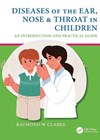
Diseases of the Ear, Nose & Throat in Children: An Introduction and Practical Guide
The name Professor Ray Clarke is well known and well regarded around the paediatric ENT world. With this helpful book, Prof Clarke creates the perfect knowledge base to make paediatric ENT more accessible to those working in general ENT and...
Occlusal splint, injections or arthrocentesis in myofascial pain
Facial pain is a fairly common complaint and may present in a myriad of symptoms. These patients present to both dentists and general practitioners and could end up referred to a number of specialists. Temporomandibular disorders may originate from either...In conversation with Ray Clarke: Scott-Brown – The Editors’ view…
Ray Clarke. How did you get involved in the forthcoming Scott-Brown ? How does one become editor of a textbook? Editors are approached and appointed by the publishers, but of course publishers will take advice and soundings from within the...