You searched for "protective"
The 66th Hallpike Symposium - BAAP
The 66th Hallpike Symposium took place on the 15th November 2024. It was organised by Drs Carolyn Ainsworth and Rosa Crunkhorn, Audiovestibular Medicine (AVM) Consultants at Guy’s and St Thomas’ NHS Foundation Trust, London. The theme of the event was ‘Recognising systemic conditions associated with audiovestibular dysfunction for the practicing clinician’.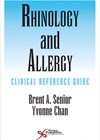
Rhinology and Allergy: Clinical Reference Guide
This pocket-sized book aims to provide a clinical reference guide through a series of review chapters. The editors, Brent A Senior and Yvonne Chan, have produced a comprehensive text through the work of predominantly North American and Canadian co-authors of...CEORL-HNS 2024
Mel Corbett, MB BCh BAO, MSC, MRCS, DOHNS, ST 6 Otolaryngology, Saint Vincent's University Hospital, Dublin, Ireland Held from June 15 to 19 at the Dublin Convention Centre, this was an unmissable event for ENT surgeons and allied health professionals...MedTech Company KARL STORZ Acquires British AI Specialist Innersight Labs
The family-owned MedTech company KARL STORZ announces the acquisition of the innovative software manufacturer Innersight Labs Ltd. (ISL) headquartered in London.In conversation with Chrysa Spyridakou, Robert Nash, Emma Clement, Nish Mehta and Anne GM Schilder
Jaclyn Tan interviews members of the London-based multidisciplinary hearing team, about their insights to auditory neuropathy spectrum disorder, and their vision for the future management of this challenging range of conditions. Auditory neuropathy spectrum disorder (ANSD) describes a wide range...MDT assessment of children and adults with implantable acoustic devices (IADs)
Abi Asher, Clinical Lead for the IAD programme in Cambridge describes how hearing care professionals work together to make the best recommendation for the patient, in turn helping navigate through the various devices now on offer. Multidisciplinary teams (MDTs) are...Screening for hearing aid fittings – an approach for primary care
Introduction The communication difficulties related to hearing loss can lead to ‘depression, social withdrawal and problems with employment and access to information sources’ [1]. Furthermore, unmanaged hearing loss is associated with dementia, a poorer quality of life, depression, anxiety and...The James Lind Alliance – involving patients and their health professionals jointly in setting priorities for research
In a world of patient-reported outcomes and patient-centred care, patient-centred research must also be considered. That is where the James Lind Alliance (JLA) comes in, as Caroline Whiting explains below. Through Priority Setting Partnerships (PSPs), it allows patients, their carers...In conversation with Dr Eugene Myers: Education, training, and leadership in the modern era
It is an honour to hear from Dr Eugene Myers, who shares his experience with us, and his opinions and advice on the current circumstances for training and trainees. His energy, vitality and work ethic in his late 80s are...Celebrating deaf identity through art: the ‘Hearing Care for ALL’ Virtual Gallery Project
Dr Dalia Tsimpida tells us about the art initiative she created in the midst of the pandemic to promote ear and hearing care, and celebrate the vibrant and diverse world of deaf identity. In the face of the COVID-19 pandemic,...Genetic discovery using animal models: presbyacusis
By their very nature, late-onset hereditary disorders offer a large window of opportunity for therapeutic intervention. However, before we can begin to think about strategies we need knowledge of the genetics and pathology underlying the condition. In this article we...