You searched for "online"
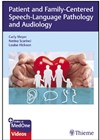
Patient and Family-Centered Speech-Language Pathology and Audiology
This book highlights the importance of giving patient and family-centred care (PFCC) in clinic to those with a communication difference. Input is included from informed healthcare professionals, and its focus is on the ‘how to’ with evidenced-based methods for improving...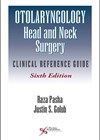
Otolaryngology Head and Neck Surgery: Clinical Reference Guide – Sixth Edition
When I began my ENT training, the revered ‘Pasha’ textbook was one of the first recommendations given to me by senior colleagues who were in the throes of FRCS revision. This revamped edition serves to improve a book which was...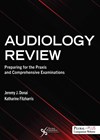
Audiology Review: Preparing for the Praxis and Comprehensive Examinations
This book is a well-structured and thoughtfully compiled resource aimed at students preparing for audiology examinations. While primarily tailored to the Praxis exam in the United States, its content remains broadly applicable to an international audience, including students in the...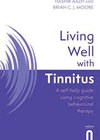
Living Well with Tinnitus: A self-help guide using cognitive behavioural therapy
Living Well With Tinnitus is part of the Overcoming / Living Well series of self-help books, aimed at directly addressing the population afflicted with the titular condition. It runs at 335 pages in paperback format and, at its core, guides...
Live versus e-learning – which is the most effective communication training approach for health care staff?
If staff are unable to communicate with their patients this can impact negatively on the patient’s healthcare. They may be excluded from decisions about their own care and their rights to informed consent may be violated. Conversation partner training has...
Help or hinder: how and why do SLTs make clinical decisions around swallowing?
Dysphagia is a relatively common consequence of stroke, with estimates between 50% and 60% of people presenting with swallowing dysfunction following stroke. It is associated with pneumonia, malnutrition and dehydration which in turn lead to increased length of hospital admission,...
Multilingualism in a monolingual environment: shifting perspective for economic benefits
English proficiency amongst migrant populations has a relatively high profile in the UK education system at present. This article compared data from two Australian national censuses with the aim of describing the English proficiency of the Australian population, to explain...
Prophylactic swallowing exercises in head and neck cancer
Clinicians working in head and neck cancer will be familiar with the increased interest in prophylactic swallowing exercises to reduce the devastating impact of dysphagia experienced by patients undergoing radiation or chemo-radiation therapy. This study from Denmark is one of...
Monitoring the mouth in ALS
Amyotrophic lateral sclerosis (ALS; or motor neurone disease) is characterised by gradual loss of function in the speech muscles resulting in a progressive deterioration in a person’s ability to communicate. The aim of this study was to investigate the use...
Facial palsy: What do patients and healthcare care about?
The article describes the process for establishing a collaborative research agenda to address gaps in understanding of the diagnosis, treatment management of facial palsy. A Delphi technique was used in order to establish a facial palsy research agenda. In round...
Do it like a techy: telepractice in SLT for people with Parkinson’s disease
Parkinson’s disease (PD) is the second most common neurological condition in Australia, and communication difficulties are reported by 90% of people with the condition. Unfortunately, not all people with PD have access to speech and language therapy services due to...