
You searched for "access"

2130 results found

Running a post-COVID smell clinic

Over the past year, much of our effort as a speciality has been directed towards crisis management and keeping services afloat. Our practice has changed in untold ways, but unprecedented numbers of patients with smell disorders will increasingly require our...

Imaging tinnitus

Tinnitus is a common sensation with a reported prevalence of 7-32%. The British National Study of Hearing recorded that 10% of adults suffered from prolong spontaneous tinnitus, and approximately a quarter of these are subsequently referred to hospital for investigation...

Endoscopic CSF leak repair using nasoseptal flap

Many of us during training or in established practice will have encountered the complication of anterior skull base CSF leak. This can be a challenging problem to deal with and in this article the authors describe their favoured approach. Cerebrospinal...

Commentary: dementia, hearing loss, and the danger of professional rabbit holes

The Lancet, a world-leading general medical journal, has a global impact. Its commissioned report into dementia prevention, intervention and care has been cited over 6000 times and has further been reviewed and updated in 2020 and now 2024. Here, Profs...

HEAL 2024: Hearing Across the Lifespan

This year around 350 people representing 40 countries attended, with about 290 oral and poster presentations. Special sessions addressed a range of global challenges, including Precision Diagnostics and Therapy Across the Lifespan, Empowering healthcare professionals in supporting older adults with comorbid hearing and cognitive impairment Listening effort and Ecological Momentary Assessment.


Virtual chromoendoscopy (VCE)

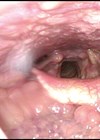
‘That’s a funny looking lesion on the larynx, it’s probably benign, but I should take a biopsy.’ Liz Ross and Ajith George discuss whether virtual chromoendoscopy will change this thought process. What are the origins and ENT applications? Traditional chromoendoscopy...

Hidden genetic disorders in children that may present to the otolaryngologist

Background Among the many hundreds of children presenting to the otolaryngology clinic are a few whose symptoms are due to an underlying genetic condition. In most cases the underlying syndrome is obvious and has already been diagnosed, such as the...

Cocaine-induced ENT pseudo-GPA (CIEpGPA): an underdiagnosed entity

Cocaine-induced ENT pseudo-GPA is increasingly seen in our ENT clinics. The authors of a new ENT UK guideline offer a concise overview for day-to-day recognition and management. Use of cocaine has steadily increased in Europe since 2010 and now represents...

Pathways for becoming an audiologist in the USA Part 1: the early years

Part 2 of this topic is available here. The Doctor of Audiology degree is required for clinical practice in the USA. In part one of a two-part series, Professor Hall reviews the evolution of academic credentialing for American audiologists, beginning...

The ear-brain connection: the role of cognition in neural speech processing

Audiologists and other hearing healthcare professionals have become increasingly interested in the importance of cognitive function in the assessment and management of hearing loss, especially in light of evidence suggesting a link between hearing loss and cognitive decline in older...

Family-centred early intervention: supporting a call to action

Family-centred care for young children is a commonly used but frequently under-appreciated approach in audiology. Prof Moodie discusses how we can take positive action to improve our approach to families in ways that make a meaningful difference in their lives....

Unravelling the mystery of hyperacusis with pain

When a person says that sound causes them pain, how can we understand this, and determine what processes are involved? Bryan Pollard navigates us through what is presently known. Pain has long been underrepresented – and often, completely overlooked –...
