You searched for "Wounds"
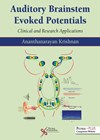
Auditory Brainstem Evoked Potentials: Clinical and Research Applications
This book is aimed at and will be most useful for students first learning about ABR or researchers/clinicians looking for in-depth explanations on the anatomical sites of generation for the differing auditory brainstem evoked potentials. It is, however, I would...Collaborating with patients on research priorities in hyperacusis: the James Lind Alliance project
An innovative and inclusive approach to the identification and prioritisation of research questions is to place the views of patients at the heart of the process, and in partnership with clinicians. The application of this to hyperacusis is described by...New challenges ahead for the hearing aid industry
Technological advancements empower the world to hear In an increasing age of connectivity, the hearing aid industry is headed into new territory. Previously, to wear hearing aids was simply a mark of ageing. Now hearing aids are smarter and, as...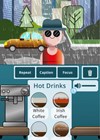
Gain conversational confidence with these apps
As an audiologist, I tend to prioritise a sensory approach to aural rehabilitation by improving auditory function through use of devices, such as hearing aids. However, some patients might require a more multi-faceted approach. To expand my patient resource toolkit,...Active middle ear implants and bone-anchored hearing systems
The implantable hearing device market has grown significantly over recent years. But as conventional hearing aids improve and cochlear implant candidacy widens, what is the role for active middle ear implants and bone anchored hearing systems, and how should we...
Tinnitus and leisure noise
Tinnitus attracts large interest among researchers all over the world due to its negative psychological side-effects. Researchers from the National Acoustic Laboratory (NAL) tested life-time noise exposure and its influence on the tinnitus experience in 1435 young Australians from various...
Hypoglossal nerve stimulation for OSA
Hypoglossal nerve stimulation has been lauded as the great new surgical treatment panacea for obstructive sleep apnoea (OSA). This meta-analysis includes 12 studies with a total of 350 patients, including the five-year follow-up data from the STAR trial which was...
Third-party disability in cochlear implant users
Hearing loss causes changes for those experiencing it and the people who share in their everyday lives, often referred to as third party disability or caregiver burden. This study emphasises the notion that this phenomenon can be considered a disability,...
Diagnosis and management of acute sensorineural hearing loss: a Japanese perspective
In this paper, the authors set out the clinical guidelines to standardise diagnosis and treatment of acute sensorineural hearing loss in Japan. They categorised acute sensorineural hearing loss into five disorders: idiopathic sudden sensorineural hearing loss (iSSNHL), acute low-tone sensorineural...