
You searched for "AOT"

2515 results found

Advances in laryngeal surgery

We are seeing many advances in laryngology: from the lab, from equipment manufacturers and from developments in surgical techniques. The field of laryngology has been under constant change in recent years, with the introduction of new technologies and research. The...

Laryngotracheal stenosis and malacia care

Why laryngotracheal stenosis and malacia (LTSM) care matters now? In late 2019, reports began to emerge of severe respiratory infections caused by a novel coronavirus. In the months that followed, intensive care admissions in the UK rose more than tenfold....

Annual Activity of The British Association of Audiovestibular Physicians 2021

The British Association of Audiovestibular Physicians (BAAP) is the national association of Auiovestibular Physicians in the UK. The Education Committee and the Audit Committee of BAAP organise a range of thought-provoking events annually. As we embraced a new way of...

Royal Society of Medicine – new presidents, new programme

Exciting changes are occurring at the ENT section of the Royal Society of Medicine over the next academic year. Professor Peter Rea and Professor Claire Hopkins, the incoming presidents of the Otology and the Laryngology & Rhinology Sections, have come together to create a combined programme.
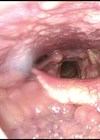


Virtual chromoendoscopy (VCE)

‘That’s a funny looking lesion on the larynx, it’s probably benign, but I should take a biopsy.’ Liz Ross and Ajith George discuss whether virtual chromoendoscopy will change this thought process. What are the origins and ENT applications? Traditional chromoendoscopy...

Bringing ear care and hearing services to the hardest to reach: the potential of primary healthcare workers

Can workers from the local community plug the workforce gap in providing ear and hearing care? Bringing ear and hearing care services closer to the community remains a key component of reducing the burden of ear and hearing conditions across...

Promoting human rights of deaf communities in low-resource settings

Stigma and misconceptions about deafness are serious impediments for many deaf people to realise rights and potential in some of the most challenging situations globally. Around 430 million people are estimated to live with moderate or higher levels of hearing...

Mobile technologies to support global ear and hearing care

By combining mobile technology with artificial intelligence, more people can access ear and hearing care. The World Health Organization (WHO) estimates that worldwide, nearly half a billion people have moderate or worse hearing loss [1]. The vast majority of people...

Barrier and opportunities for hearing care: finding a way forward for all

Ideal models of care for communities can include tailored ear and hearing care interventions. Barriers exist at an individual and societal level to realise the vision of hearing care for all, regardless of country or resource setting. Affordability of hearing...

Robotic surgery for squamous cell cancer: the new frontiers

Although the da Vinci platform was FDA approved for early-stage oropharyngeal cancers, the indications have expanded. In this article, John Hardman explains how surgeons, with greater understanding of the strengths and limitations of robotic surgery, have systematically set out to...

The role of artificial intelligence and applications in ENT surgery

AI is progressing apace. If you’re wondering how it might affect our working lives in ENT, read on for insights and a pilot study that show us what may be possible. The recent launch of ChatGPT, an open access artificial...

Feeling like a fraud — imposter syndrome: what it is and what to do about it

Have you ever been plagued by feelings of incompetence despite evidence to the contrary, then this article is for you. Dr Dunay Schmulian provides insight into imposter syndrome and what to do about it. Excerpt 1 Senior Audiologist: That was...
