
You searched for "cognitive"
A cognitive therapy programme for hearing impairment: reducing avoidance and mental distress
Cognitive behavioural therapy (CBT), a psychotherapeutic treatment method, is most commonly used to treat anxiety and depression. Newly published results from a controlled, clinical study demonstrate that an adapted CBT programme is useful for several common challenges in aural rehabilitation;...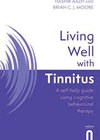
Living Well with Tinnitus: A self-help guide using cognitive behavioural therapy
Living Well With Tinnitus is part of the Overcoming / Living Well series of self-help books, aimed at directly addressing the population afflicted with the titular condition. It runs at 335 pages in paperback format and, at its core, guides...
Cochlear implantation in adults has a positive impact on overall cognitive function as early as six months postop
The link between improving hearing and thus improving cognition is an important emerging area of research in hearing rehabilitation, due to the independent association between hearing loss and dementia. This study uses visually assessed neurocognitive tests of working memory, information...
Talk your brain well: discourse training to fortify your cognitive functioning and protect against dementia
Mild cognitive impairment (MCI) can be described as a transitional stage prior to a diagnosis of dementia. Approximately 15% of people with amnestic MCI (where memory is the leading symptom) develop dementia. Nonpharmacological interventions, specifically cognitive training, has shown some...Why and what should hearing care professionals know about cognitive impairment and dementia
Good reasons to care about cognitive impairment and dementia in audiology If asking people what they fear most when getting to old age, it is cognitive decline that is named most often. This comes with the expectation of limitations in...
Say what you don’t mean: cognitive difficulties in Parkinson’s can worsen intelligibility
Hypokinetic dysarthria, seen in 70–90% of people with Parkinson’s, causes reduced range of movement during speech production, reduced volume, rate, pitch and intelligibility. This study aimed to explore the role of higher cognitive function in speech production by asking 20...Hidden hearing loss in humans: cochlear synaptopathy is superseded by cognitive effects when listening to speech in noise
Elizabeth Beach presents an overview of the recent research being undertaken at the National Acoustic Laboratories on speech in noise and its relationship to cochlear synaptopathy. Our team at the National Acoustic Laboratories (NAL) has been investigating hidden hearing loss...Hearing Care, cognitive decline and dementia: A public health challenge, or an opportunity for healthy ageing?
Brian Lamb, OBE and Sue Archbold PhD, Hon LLD A new document from The Ear Foundation, launched at European Association of Cochlear Implant Users (EURO-CIU) annual general meeting in Poland, reviews the latest evidence on the association between hearing loss,...
Cognition outcomes after cochlear implantation – is there an improvement?
Older adults with a severe to profound hearing loss are more at risk of cognitive decline than adults of a similar age with milder losses or normal hearing. This poses challenges, not only in the assessment process, but also for...
Planning for the long term when working with young people with TBI
Traumatic brain injuries are most common amongst young people and can have long term consequences. The authors of this article provide an approach to management of cognitive and communication difficulties which starts with a detailed assessment using the model of...


