
You searched for "screening"
Virtual chromoendoscopy (VCE)
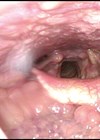
‘That’s a funny looking lesion on the larynx, it’s probably benign, but I should take a biopsy.’ Liz Ross and Ajith George discuss whether virtual chromoendoscopy will change this thought process. What are the origins and ENT applications? Traditional chromoendoscopy...
Chronic rhinosinusitis update
There is still a lack of awareness of chronic rhinosinusitis (CRS) despite its burden, calling for events such as the recent Global Chronic Rhinosinusitis with Nasal Polyps (CRSwNP) Awareness Day. Research findings from recent publications by Backaert et al have...
People with language-led dementia in India
Primary Progressive Aphasia (PPA) is a language led dementia characterised by slowly worsening speech and language. It is associated with atrophy of the dominant temporal-parietal lobe regions and is commonly caused by frontotemporal or Alzheimer’s pathologies. There are three PPA...The Malawi Hearing Project
Rachael Collins, ENT trainee in the UK, and Mwanaisha Jauza Phiri, audiologist in Malawi, explore the challenges and innovations in delivering ear and hearing care (EHC) across Malawi. The Malawi Hearing Project, a partnership between QECH and Cambridge Global Health...Operating abroad
I have always taken the view that one is better operating in a familiar environment, with scrub-nurses and anaesthetists that one knows, to say nothing of the equipment required and, most importantly ensuring the most appropriate pre- and postoperative care...Audiological and psychological consequences of single-sided deafness
The loss of sound input from one ear has a significant impact on our perception of our acoustic environment. This impact is compounded in adverse listening conditions. Rachel Knappett’s article explores the audiological impact of this hearing loss and the...Chester-gel technique
Umesh Nagalotimath and Robert Temple describe a simple and effective technique for enhancing vision during endosheath use for flexible nasendoscopy. Endosheaths are used to complement the cleaning of flexible scopes. The advantages are time saving for clinicians as this reduces...
The effect of vertigo on sleep
The authors analysed data of 20,950 individuals who completed the balance and dizziness supplements of the ongoing NHIS survey in 2008. The survey used a strict algorithm to identify individuals reporting vestibular vertigo and information on sleep duration and a...
Do parents sleep better after paediatric adenotonsillectomy?
Paediatric adenotonsillectomy for sleep disordered breathing (SDB) is amongst the commonest surgical procedures performed in ENT. In the outpatient clinic, parents routinely express their concern about their child’s breathing but the impact of sleep disordered breathing on the parent is...The ear-brain connection: the role of cognition in neural speech processing
Audiologists and other hearing healthcare professionals have become increasingly interested in the importance of cognitive function in the assessment and management of hearing loss, especially in light of evidence suggesting a link between hearing loss and cognitive decline in older...
Paediatric hearing following chemotherapy
This study examined the effect of platinum compounds on hearing in 104 children with solid tumours. As would be expected, this group was heterogeneous and included a range of ages, tumour types, chemotherapeutic agents and dosing regimens. Age-appropriate audiometry was...


