You searched for "laryngological"

Allergen immunotherapy and allergic rhinitis – EAACI guideline 2017
Allergic rhinitis (AR) is a common chronic childhood disease with considerable social burden and impact on quality of life, frequently necessitating treatment with various combinations of antihistamines and corticosteroids. The allergen immunotherapy (AIT), sometimes known as desensitisation therapy, can modify...
Recurrent ENT infections in children – is it a sign of primary immunodeficiency disease?
ENT clinicians often come across children with recurrent ear, sinus and pulmonary infections. These recurrent infections, albeit common in childhood, can represent an early sign of primary immunodeficiency diseases (PIDD). PIDD is an underdiagnosed group of genetic disorders involving absent...
Updates on current evidence for biologics in chronic rhinosinusitis
For a comparatively short piece, this article manages to pack in a lot of important information about a complex emerging area of rhinology – immunologically targeted therapy (biologics). Immunologically targeted therapy is a rapidly progressing and expanding domain which is...A triple threat: showcasing Peptest at three ENT conferences
BIOHIT HealthCare is thrilled to be attending three prestigious otorhinolaryngology conferences over the next few weeks.Where ART meets Science: The Golden Lines of Life
Each cover in this six-part series is more than an image. It’s a window — into a different way of seeing, of hearing and of healing. Together, they form a narrative that moves across disciplines and perspectives. A story told...In conversation with Professor Wolfgang Pirsig
Professor Wolfgang Pirsig is a key figure in the field of ENT history and is known for his fascinating discoveries of ENT features in art and historical objects. He kindly agreed to be interviewed for this special history focus by...Audiology in this issue...Hyperacusis (Jan/Feb19)
Audiologists, otologists, and auditory neuroscientists are accustomed to dealing with problems of hearing loss but, until recently, little attention has been given to the experience of hearing sound too intensely. This experience is variously given the names hyperacusis, and reduced or decreased sound tolerance, and the affected individual finds everyday sound intensely and excruciatingly loud, rendering workplaces, shops, and social spaces intolerable.European funding for the tinnitus research network TINNET
Over 70 million people in Europe experience tinnitus, and for seven million it creates a debilitating condition. Severe tinnitus is often associated with depression, anxiety and insomnia, resulting in an enormous socio-economic impact [1]. It has been estimated that 13...
Endoscopic Transnasal Anatomy of the Skull Base and Adjacent Areas
This book is a well-designed colour atlas of sinus surgery which is up to date with all the modern techniques used in endoscopic sinus surgery. The multiple authors include well-established and renowned surgeons. It is divided into distinct chapters, with...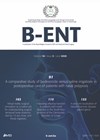
Virtual reality surgical simulation for the temporal bone
This prospective study looked at 15 otorhinolaryngology residents in Belgium to see if using the VOXEL-MAN Tempo surgical simulator system improved their understanding of temporal bone radiological anatomy. As a secondary aim, they also assessed whether there was any improvement...