
You searched for "consulting"

How reliable is non-echoplanar diffusion-weighted MRI in picking up postoperative cholesteatoma in children?
Cholesteatoma occurs more often in children than in adults and is more aggressive, often resulting in ossicular erosion and marked conductive loss, amongst other more serious possibilities. Recurrence happens in all three methods used, namely canal wall up, canal wall...Greener pastures? Reflections from UK ENT surgeons now practising abroad
Ever considered practising ENT abroad? Here are some experiences of previously UK-based ENT surgeons who took the plunge and are now plying their trade in distant lands. Andrew McCombe ENT ConsultantDate of migration: December 2015Place of work: Mediclinic City Hospital,...
A time-saving method for faster cancer diagnosis and treatment
One of the main impediments in achieving UK Government cancer diagnosis and treatment targets is lack of diagnostic capacity. An increase in head and neck cancers by 50% in the last five years has put on additional strain. In this...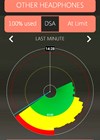
How loud is too loud? Smart ways to monitor noise exposure through your headphones
As an audiologist, an increasingly common concern patients have is noise exposure from their headphones and how it will impact their hearing over time. It’s a legitimate worry considering the average adult is streaming audio content on their mobile devices...
Psychoacoustics: Perception of Normal and Impaired Hearing with Audiology Applications
The field of psychoacoustics and the practice of audiology have always been curious bedfellows. In the clinic, we commonly assess patients’ hearing ability through pure-tone detection, a classic psychoacoustical phenomenon, but just one of the many, many ways in which...
Reliability of modified Dix-Hallpike test
Modifications of the Dix-Hallpike (DH) are sometimes necessary when the traditional DH is not feasible. The absence of any formal studies on modified DH was the idea behind this multicentre (three academic centres), prospective, randomised, single blinded and controlled clinical...
PPPD - the problem with the label
The recently described diagnostic entity of persistent postural perceptual dizziness (PPPD) has its merits regarding guiding intervention and treatment, but the label itself can be problematic for patients. This study was designed to determine the views of patients of the...High intensity, high impact: tackling waiting lists one HIT at a time
A monthly high intensity theatre list in Sheffield shows how smart planning, teamwork and focus can dramatically reduce long ENT waiting lists. Finally, after many years of training, I’ve started my first consultant post – only to become part of...BRS Annual Meeting and Juniors Day 2025
Will Tsang (ST1-3) BRS President Professor Peter Andrews opened the 2025 Annual Meeting in sunny Edinburgh, welcoming over 180 delegates — a record turnout. The programme was packed with speakers pushing the boundaries of modern rhinology.Highlights from day one included...A shifting landscape of otitis media
In light of pneumococcal vaccination programmes, is otitis media evolving to have a different natural history? Acute otitis media (AOM) is a major public health problem in children worldwide, as it is the leading bacterial infection and first cause of...
Can we predict risk of adverse events preoperatively in patients undergoing head and neck cancer surgery?
Ed’s Choice reviews a paper aiming to create a reliable index to predict postoperative outcomes in head and neck cancer patients. This interesting study identifies variables that may assist in risk assessing prospective surgical candidates. There have been a few...


