
You searched for "testing"
Global Ambassadors Highlights of the Year
Audiology, Indian Subcontinent, Krishna Yerraguntla Over 466-million people live with disabling hearing loss and global costs of unaddressed hearing loss is 750-billion international dollars. Thus, to alleviate the impact of hearing loss on lives of people, The World Hearing Day...Why hearing above 8 kHz matters more than you think
This review explores the significance of extended high-frequency hearing loss (above 8 kHz) and why it may be worth doing clinically more frequently. There are many conditions that may hide underneath a normal audiogram, and one of the easiest to...Muscle tension dysphagia: an underdiagnosed problem
In this article, the authors introduce the description of swallowing problems which have been recently attributed to muscle tension dysphagia (MTDg). The authors are clear that this is a diagnosis of exclusion, and it is important to rule out other...
Even titanium is not that inert
Titanium is part of most implantable metals in the human body including cochlear implants (CIs). Allergy to titanium is rare. The authors hypothesised that such an allergy could be a cause of pain in CI patients. They present a case...Diagnosing and managing somatic tinnitus
Interactions between auditory and somatosensory pathways can lead to interesting tinnitus experiences which can be very bothersome. Dr Sarah Michiels describes her pioneering work in this area, and the possibilities of physiotherapy based therapy. Background Somatic (also called somatosensory) tinnitus...A cognitive therapy programme for hearing impairment: reducing avoidance and mental distress
Cognitive behavioural therapy (CBT), a psychotherapeutic treatment method, is most commonly used to treat anxiety and depression. Newly published results from a controlled, clinical study demonstrate that an adapted CBT programme is useful for several common challenges in aural rehabilitation;...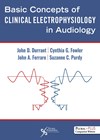
Basic Concepts of Clinical Electrophysiology in Audiology
Signal averaging principles have been around since 1875, but their application in medicine to enhance biologic signals was first made in 1947 for improved detection of electroencephalographic signals. It took a few more years until the first electrophysiological studies were...
The impact of rhino-sinusitis treatment on olfaction
This study included 28 adults prospectively enrolled between March 2011 and May 2013 into a non-randomised, multi-institutional cohort. Adults electing endoscopic sinus surgery experienced gains in olfaction comparable to adults electing continued medical management. The evidence in this study comparing...From the editor Nov/Dec 2024
Declan Costello, MA, MBBS, FRCS(ORL-HNS),Consultant Ear, Nose and Throat Surgeon, Wexham Park Hospital, Slough, Berkshire, UK. E: d.costello@nhs.netTW / X: @Voicedoctor_uk Never let it be said that we don’t provide a broad range of topics for you to digest. For...VACANCY: Band 7 Audiology Lead (Deputy Manager), Belfast
The following job opportunity is now available.


