
You searched for "amplification"
The history of bone-conduction devices
The evolution of bone-conduction hearing devices from the 1400s’ rudimentary designs to today’s advanced models has greatly improved hearing for individuals with conductive or mixed hearing loss. This article delves into the history and technical advancements over the years, as...Stricture after total laryngectomy: what are the risk factors?
Stricture after total laryngectomy is common but not inevitable. New insights into risk factors could help clinicians anticipate problems and improve swallowing outcomes. Why this complication deserves renewed attention Total laryngectomy remains one of the defining operations in head and...On the influence of sex on tinnitus burden and its phenotypes
One important aspect of the new paradigm in tinnitus research is to question basic assumptions. What associations does the sex of a person have with their experience of and reaction to tinnitus? Chris Cederroth raises the question and tells us...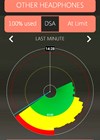
How loud is too loud? Smart ways to monitor noise exposure through your headphones
As an audiologist, an increasingly common concern patients have is noise exposure from their headphones and how it will impact their hearing over time. It’s a legitimate worry considering the average adult is streaming audio content on their mobile devices...Temporal bone trauma
Introduction Temporal bone injuries represent one of the more complex management problems presenting to the otolaryngologist. This is largely due to difficulties in assessment and the frequent delays in referral, often as a result of other injuries demanding more immediate...
Cholesteatoma and Ear Surgery
The book Cholesteatoma and Ear Surgery is a selection of papers and presentations, including round tables and symposia, that constitute the proceedings of the 10th International Conference on Cholesteatoma and Ear surgery, a highly successful meeting that attracted over 1000...Cyclops Medtech partners with Hypatia Specialist Clinics
Cyclops Medtech is partnering with Hypatia Specialist Clinics to provide vestibular diagnostic and therapeutic solutions throughout the United Kingdom and parts of Europe.Ossicular reconstruction
Ossicular reconstruction often yields disappointing results, even for the most experienced and skilled of otologists. John Dornhoffer and David Walker explain that the most important determinant of outcome is the patient’s middle ear environment, and offer some valuable words of...
Dutch pharyngeal pouch surgery experience
A decade’s experience of pharyngeal pouch surgery was reported in this paper from Rotterdam. A total of 94 patients were analysed. The majority (80%) underwent an endoscopic approach, either with stapling or CO2 laser-assisted. Interestingly, 13 of 75 (14%) procedures...
Obstructive sleep apnoea: Does maxillomandibular advancement work?
This is a paper from the Netherlands reviewing 62 patients who underwent maxillomandibular advancement for moderate to severe obstructive sleep apnoea. The authors observed a 71% success rate with mean apnoea hypopnea index (AHI) reduction of 69%. There was no...
The increasingly favourable outcomes from endoscopic endonasal approaches for the management of pituitary adenomas
Historically, pituitary tumours have been surgically managed with an open, transcranial approach. Although this approach still has its merits in large intracranial adenomas, technological advancement has allowed smaller tumours to be debulked via a transseptal microscopic technique. These days, the...


