
You searched for "technological"

1833 results found

The evolution and advancements in radiological imaging of the sinuses

Computed tomography (CT) imaging is crucial in the planning of any endoscopic sinus operation; we hear from one of the pioneers of CT scanning who worked with Stammberger and Messerklinger in developing many of the technologies that we now take...

Adult speech testing in the UK

What do hearing healthcare providers see as the benefits and barriers to delivering speech testing? This article explores the latest research. Why speech testing? Speech tests have been used across ENT and audiology practice to measure an individual’s speech recognition...

Neuromod advances multiple regulatory approvals to expedite Lenire’s global availability

Neuromod, the medical technology company that created the Lenire® tinnitus treatment device, has announced approval to the Medical Device Single Audit Program (MDSAP) and EU Medical Device Regulation (MDR) certification. Neuromod’s MDSAP certification follows a comprehensive audit verifying compliance with...

Effects of age on neuro-physiological processing of speech at brainstem level

Degenerative changes associated with ageing may affect processing of spectral and temporal cues in speech at cortical and subcortical levels, even though these individuals may have normal audiometric thresholds. These changes are more likely to be picked up by speech...
Hurdle jumping

This article deserves a little attention, rather like settling into conversation. As the writers state, listening is an effort and is a tricky field of study when combining multiple physiological measures. In order to gain an understanding, they suggest: consider...

Screening for hearing loss with mHealth solutions

With the number of people suffering from hearing loss growing all the time, the need for early detection and intervention is imperative. De Wet Swanepoel discusses two examples of mHealth possibilities for hearing screening which, as a low cost solution,...
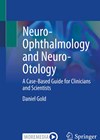


Neuro-Ophthalmology and Neuro-Otology: A Case-Based Guide for Clinicians and Scientists

As Daniel Gold points out in his preface, the idea for this title was borne from the observation that, despite the considerable overlap between the fields of neuro-ophthalmology and vestibular neurology, there is no single text that marries these two...

Smell Above All: Where Technology Meets the Nose

This event, part of the EPSRC/NIHR-funded Smell Care Project, gathered over 100 international attendees. It highlighted the often-overlooked importance of smell in daily life, supporting individuals with smell loss through digital training and showcasing technology that enhances smell-related quality of life.

Audiology in this issue...Hyperacusis (Jan/Feb19)

Audiologists, otologists, and auditory neuroscientists are accustomed to dealing with problems of hearing loss but, until recently, little attention has been given to the experience of hearing sound too intensely. This experience is variously given the names hyperacusis, and reduced or decreased sound tolerance, and the affected individual finds everyday sound intensely and excruciatingly loud, rendering workplaces, shops, and social spaces intolerable.

Anaesthesia for excision of vestibular schwannomas

The ‘shared airway’ relationship between ENT surgeons and anaesthetists is well documented. But ENT surgery and anaesthesia interact in numerous other ways, particularly in complex skull base surgery. What do our anaesthetic colleagues want us to know about vestibular schwannoma...

The preventative audiologist

Rob Shepheard has been championing the role of ‘the preventative audiologist’ for many years. In this article, he explores how that can be achieved.

In conversation with Paul Lamb

Paul Lamb recently joined a team undertaking a hearing care mission to Armenia with the Starkey Hearing Foundation. Paul took time to discuss the aims and achievements of these missions through his personal experiences with the foundation. Paul Lamb. The...
