
You searched for "emotional"

PPPD - the problem with the label
The recently described diagnostic entity of persistent postural perceptual dizziness (PPPD) has its merits regarding guiding intervention and treatment, but the label itself can be problematic for patients. This study was designed to determine the views of patients of the...
Third-party disability in cochlear implant users
Hearing loss causes changes for those experiencing it and the people who share in their everyday lives, often referred to as third party disability or caregiver burden. This study emphasises the notion that this phenomenon can be considered a disability,...
Brain tumours don’t do what they’re told to – linguistic sequalae of low-grade brain tumours
Brain tumours typically grow slowly, resulting in the gradual progression of symptoms including, in some instances, tumour-related language difficulties. Traditionally, brain tumours were thought to result in language symptoms correlating with traditional lesion-symptom mapping, and research to date has mainly...Physician health and wellness amidst a global pandemic
Dr Westerberg attended a workshop on Physician Wellness hosted by Dr Osler a few years ago at our Canadian Society of Otolaryngology-Head and Neck Surgery meeting. The list of symptoms of stress and burnout resonated as typical of almost a...Adolescence, drug use and body image
Teenagers are notoriously conscious of how they are perceived by others. Dr Saraiva and colleagues explain how this can lead to problems with substance abuse for both boys and girls, and discuss the different substances they may encounter. Adolescence is...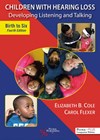
Children with Hearing Loss: Developing Listening and Talking, Birth to Six – Fourth Edition
This book is targeted at a wide audience, from students and healthcare professionals to parents of children with hearing loss. The book is split into two sections: the first section aims to provide the reader with background infomation about hearing...St Æbbe the Younger of Coldingham, patron saint of the nose
Stories of the saints are often rather dark and unpleasant – and this is certainly the case with St Æbbe, as we hear from our roving historian, John Riddington Young. In two previous articles, we have discovered the fascinating stories...Diagnosis, wearables and remote monitoring in 15 and 50 years
In 2069 will we look forward to being enslaved by robots, becoming zombies or having our health (and ill health) diagnosed by nanotech? Ajith George muses over what the future holds for us all. The future of healthcare, not just...EVOTION: Big data supporting public health policies for hearing loss
Big Data? Biosensors, smart hearing aids and smartphones? The EVOTION Project has it all and more! What will this project tell us about the future of hearing management? Doris-Eva Bamiou, Giorgos Dritsakis and Louisa Murdin, members of the EVOTION team,...
Communication patterns during audiological rehabilitation history taking
Nature of communication among patients, their communication partners and hearing healthcare professionals is an important part of audiological rehabilitation and can have some influence on the patient outcome. As history taking quite often forms the first instance of communication between...
Where is that sound? Not every hot tub is a jacuzzi
Evidence suggests that the incidence of sound sensitivity and general noise intolerance is increasing. Studies have suggested that the incidence of hyperacusis is between 8% and 15.2% of the adult population. There is a correlation between the prevalence of hyperacusis...


