
You searched for "audiologist"
Old age is hard to swallow
This article takes us through the diagnosis and management of swallowing problems common in older age. As our global population continues to grow and live longer, dysphagia will continue to be a global problem which needs to be recognised, understood...In conversation with Professor Gerry O’Donoghue
On the occasion of his retirement from the Nottingham Auditory Implant Programme, we discuss his pioneering work in cochlear implantation and the challenges involved. ENT News author picture, 1993. Why did you choose a career in ENT? I started off...
Snap: do voice patients’ self-ratings match the professionals or the machines?
Self-rating by people with voice disorders and perceptual assessments by speech and language therapists are generally quicker and cheaper than acoustic voice analysis. Reports, with small sample sizes and mixed participant groups, on whether these measures are associated have demonstrated...
Speech and language therapy is valuable for people at all stages of dementia
The number of people living with dementia is going to increase significantly over the coming 10-20 years. The authors of this article describe the breadth of the role of speech and language therapists (SLTs) working with people with dementia. They...
Help or hinder: how and why do SLTs make clinical decisions around swallowing?
Dysphagia is a relatively common consequence of stroke, with estimates between 50% and 60% of people presenting with swallowing dysfunction following stroke. It is associated with pneumonia, malnutrition and dehydration which in turn lead to increased length of hospital admission,...When dinosaurs ruled the earth
Optimism is abundant in medical research, but frequently ends up being tempered with reality. In his inimitable style, Chris Potter looks back over his career – starting with his medical school memories of Bentley-driving ENT consultants, and moving forward through...In conversation with Professor Gao Zhiqiang
Prof Zhiqiang, President of the Chinese Society of Otorhinolaryngology, Head and Neck surgery takes us on a journey spanning over a hundred years of ENT in China: A story of an amazing achievement in a country with a population over...History of photography in otorhinolaryngology in the 19th Century
In this final article of the History of ENT edition, João Clode introduces us to the history of medical photography in the 19th century, giving us some fascinating early examples of otorhinolaryngology photographs. Medical photography – the early years The...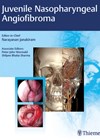
Juvenile Nasopharyngeal Angiofibroma
This book was first published in 2017 in India and PJ Wormald is one of the Associate Editors. It consists of 16 chapters with exceptional surgical photographs, as well as scans of different imaging modalities and illustrations. It is a...
Rhinoplasty for the cleft lip and palate patient
The cleft nose is one of the most challenging pathologies for rhinologists and facial plastic surgeons to address. The combination of architectural deformity (related to the extent of lip deformity) and scarring from previous surgery combine to cause the surgical...


