
You searched for "parents"

Intraoperative identification of primary tumours in unknown primary head and neck cancer using transoral laser microsurgery with frozen sections
The aim of the study was to compare the sensitivity and specificity of intraoperative identification of primary tumours in patients with unknown primary head and neck squamous cell carcinoma (UP HNSCC) using transoral laser microsurgery (TLM) with frozen sections, with...
Prophylactic gastrostomy tubes in advance of chemoradiotherapy for advanced head and neck malignancies – are they worthwhile?
It is well recognised that radical chemoradiotherapy (CRT) for head and neck cancers can significantly affect swallowing, especially if radiotherapy is delivered to the hypopharynx and/or both sides of the neck. As such, prophylactic gastrostomy tubes are often advocated in...
A new hope for post-COVID olfactory loss?
Does anyone remember COVID? It seems that what happened between 2019 and 2021 is all but forgotten about. Aside from it cropping up on news feeds occasionally and a few out-of-date automated phone messages that start off with ‘During the...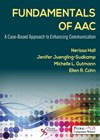
Fundamentals of AAC – A Case-Based Approach to Enhancing Communication
A comprehensive text that will appeal to speech and language therapists at all stages of their careers, from undergraduate through to seasoned professionals working directly in the field. Despite there being 64 contributors (mostly from the US), the editors have...Adult speech testing in the UK
What do hearing healthcare providers see as the benefits and barriers to delivering speech testing? This article explores the latest research. Why speech testing? Speech tests have been used across ENT and audiology practice to measure an individual’s speech recognition...New Tinnitus UK report highlights critical gaps in tinnitus care
Tinnitus UK, the leading UK charity dedicated to supporting individuals with tinnitus, has published a comprehensive report, Ringing the Alarm: The tinnitus care crisis. It exposes alarming gaps in tinnitus care and professional training across the NHS and private audiology...
Can we centralise cochlear implant surgery and keep most appointments close to home?
The NHS Five Year Forward View promoted seeing patients closer to home in order to provide better care, cut down on missed appointments and reduce costs. This encouraged the development of ‘hub and spoke’ models of care, but this model...In conversation with Ad Snik
Professor Ad Snik has spent a large portion of his career in hearing implantation and has seen novel devices come and go, some of great benefit to patients, others which haven’t produced expected results. In this interview, he talks to...Scotland’s first UKAS accreditation for paediatric audiology
The United Kingdom Accreditation Service (UKAS) has granted Scotland’s first accreditation against the Improving Quality In Physiological Services (IQIPS) standard. The award was made to the Audiology Department at NHS Tayside and covers both adult and paediatric audiology services delivered at four hospitals in Dundee, Perth and Brechin.
Cochlear implantation in SSD
There are currently several trials for cochlear implantation (CI) in single-sided deafness (SSD) being undertaken to answer some of the questions this paper from New York raises. Who is best suited to receive one? What are their outcomes and how...
Does CPAP help diabetes?
This meta-analysis and review of the literature examines the long-held belief that CPAP treatment improves glucose levels in patients with OSA. As usual in these cases, thousands of articles were initially flagged up in the search with only six RCTs...


