
You searched for "implantation"
OSA is neuroprotective!
This interesting study supports the hypothesis of the protective effects of obstructive sleep apnoea (OSA) against ischemic events like stroke. The authors evaluated the impact of OSA with the presentation, hospital course and outcomes of patients with subarachnoid haemorrhage (SAH)....
The incidence of coagulopathies in children presenting with post-tonsillectomy haemorrhage
Tonsillectomy is often the first haemostatic challenge for a child. Postoperative haemorrhage may therefore represent the first presentation of a child’s underlying bleeding disorder. This study aimed to quantify the rate of occult coagulopathy in patients who had experienced a...
Endovascular therapies for venous tinnitus
Tinnitus is an extremely vexing issue, not only for patients but also for otolaryngologists. The authors of this article review the causes of venous tinnitus, such as increased intracranial hypertension (IIH), dural venous sinus thrombosis and age-related anatomic variants. They...
How best to follow up a sinonasal cancer?
Sinonasal malignancies are rare tumours and, in the UK, are usually treated in tertiary treatment centres but may well be followed up long term in the patient’s local hospital, so advice on how best to manage these patients is invaluable....
Endolymphatic sac tumours
The authors performed a systematic review of literature and describe the clinical signs and symptoms of endolymphatic sac tumours (ELST) in this article. A total of 113 patients and 118 cases from 26 studies were included in the study. The...
Temporal bone fractures in children – are we doing enough?
This is a retrospective study which assessed clinical presentation and prognosis in 91 children under the age of 18 who developed temporal bone fractures from trauma, the commonest of which was falls from heights followed by motor vehicle accident. The...Two days of thyroid surgery
Thyroid / Parathyroid Surgery
Surgeon, Heal Thyself
Once a taboo topic, stress and psychological illness in doctors is now much more widely discussed. This is probably partly due to changing societal attitudes (with more acceptance of the importance of acknowledging mental illness) and changes amongst medics themselves,...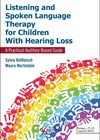
Listening and Spoken Language Therapy for Children with Hearing Loss
I’d like to start this review with a disclaimer – I don’t deliver speech and language therapy but am interested in how speech, language and communication are developing in the children we see with hearing loss within audiology. I found...
Speech in noise hearing difficulties
The phenomenon of speech understanding in noise in normal hearing people attracts the interest of researchers continuously. This study’s aim was to further explore the possible reasons behind these difficulties. The participants were 50 adults that reported having normal hearing...
Is endoscopic approach more precise in addressing failed ventilation system in chronic mucosal ear disease?
Chronic mucosal disease, as opposed to cholesteatoma, is more directly related to failure of the ventilation system involving three channels. Isthmus anticus and isthmus posticus are channels in front and behind the long process of the incus and there is...


