
You searched for "singer"
BAA to host World Congress of Audiology in 2028
The British Academy of Audiology is delighted to have won its bid to host the International Society of Audiology’s World Congress in 2028 (WCA2028). The 38th Congress will be hosted in Edinburgh, 23-26 April 2028.Ida Institute tackles clinician burn-out
Founded in 2007, Denmark’s Ida Institute is dedicated to the health of people with hearing loss. Its new four-part course, however, is aimed at another group: the medical professionals whose jobs can compromise their own health.ENT in this issue...BACO 2023
Declan Costello, MA, MBBS, FRCS(ORL-HNS), Editor, ENT & Audiology News; Consultant Ear, Nose and Throat Surgeon, Wexham Park Hospital, Slough, Berkshire, UK. E: d.costello@nhs.net BACO (the British Academic Conference of Otolaryngology) has been running regularly since its inception in Oxford...Professor Mahmood Bhutta awarded Royal College President’s Medal
Professor Mahmood Bhutta, Chair in ENT at Brighton and Sussex Medical School (BSMS) and Professor of Sustainable Healthcare, has been awarded the 2024 President’s Medal by the Royal College of Physicians and Surgeons of Glasgow. This prestigious honour recognises his exceptional contributions to global health, sustainability and ethical practices in medical supply chains.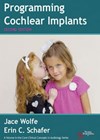
Programming Cochlear Implants - Second Edition
Wolfe and Schafer open their second edition with up-to-date images of brand-specific devices and show various configurations and customisations available to the recipient. For the audiologist, they introduce highly relevant topics such as polar plots for microphones, array types and...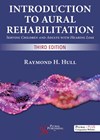
Introduction to Aural Rehabilitation Serving Children and Adults with Hearing Loss - Third Edition
As the name indicates, this book deals with the bread and butter of audiologists or at least what should be our bread and butter. We work with changing people in changing environments, therefore, along with an acute understanding of technology,...
Safeguarding Physician Wellbeing: Using Checklists for Personal, Professional and Psychological Safety
‘Checklists’ in the operating room make for safer surgery, better handovers and improved patient care. Can we apply the principles we have learned since Atul Gawande and the WHO pioneered this approach to surgery to our own wellbeing as doctors,...
Hearing difficulties and memory problems
Since the Lancet Commission report in 2020, we have all been aware that untreated hearing loss is potentially one of the biggest modifiable risk factors for dementia in midlife. Hearing loss is also associated with other risk factors for dementia,...


