
You searched for "Training"
Congenital cytomegalovirus causing deafness in children: an update
Congenital CMV is the leading non-genetic cause of sensorineural hearing loss in children. Keith Trimble draws our attention to this and gives a comprehensive guide on diagnosis and treatment. Congenital cytomegalovirus (cCMV) infection is common, affecting 1% of all newborns,...Advanced Laryngeal, Pharyngeal & Laser & Endoscopic, hands-on simulation surgery cadaveric course
Laryngology / Swallowing / Voice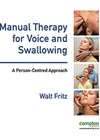
Manual Therapy for Voice and Swallowing
This 300-page practical book on Manual Therapy for Voice and Swallowing is written by a single author, Walt Fritz, who is a US-based manual therapist. The first 150 pages include an overly detailed introduction, including his personal view and journey...
Sinus surgery effects on asthma patients
Chronic rhinosinusitis (CRS) and asthma are related. The authors identified a gap in the literature and designed this study with a relatively large sample size of 86 patients. They included patients with comorbid asthma and CRS with or without polyps...
All about velopharyngeal dysfunction
The velopharynx functionally separates the oral from the nasal cavities. Inadequate or abnormal function of this muscular valve affects speech and swallow. Velopharyngeal dysfunction can be subdivided into insufficiency, incompetence and mislearning. This is a review paper and indeed a...
Is GERD linked to CRS?
We are all well aware that both chronic rhinosinusitis and reflux are prevalent in our populations. This meta-analysis looked at 25 studies investigating the association between GERD, LPR and CRS, therefore evaluating more than 117,000 patients. The results are fascinating...From the editor November/December 2023
Declan Costello, MA, MBBS, FRCS(ORL-HNS),Consultant Ear, Nose and Throat Surgeon, Wexham Park Hospital, Slough, Berkshire, UK. E: d.costello@nhs.netTw: @Voicedoctor_uk There can be no more pressing and worrying issue in the global consciousness than climate change. The alarming rise of disinformation...Laryngeal endoscopies
Here, the authors provide some great tips for performing a successful microlaryngoscopy which should be of benefit to those learning this very common procedure. In this article, we will discuss tips for performing a microlaryngoscopy, and different laryngoscopes used to...
Paranasal sinus osteoma management
The authors aimed to determine the best approach to paranasal osteoma excision. They conducted a retrospective study of 41 patients with paranasal sinus osteoma (PNSO) at a tertiary centre in Turkey. PNSO was present in: the frontal sinus in 26...
Transnasal endoscopic choanal atresia surgery
Surgery is currently the only definitive treatment for congenital choanal atresia (CCA). There are various surgical approaches including transnasal, transeptal or transpalatal. The authors propose that the preferred option is transnasal endoscopic choanal atresia surgery (TECAS) and set out to...
Talking through technology – keeping up with the mainstream
Augmentative and alternative communication (AAC) system development has often made early use of innovative technology. Touch screens have been a part of this technology for some time. In fact, touch screens were invented in 1965 but it wasn’t until the...


