
You searched for "future"

1776 results found

Making the most of your surgical rotations as a medical student in theatres

This article provides practical tips for medical students to navigate theatre etiquette, engage with teams and gain valuable surgical experience. I am the kind of person who needs a set of alarms ringing every two minutes just to get out...

Task shifting in public hospital rhinology new patient assessment

Nurse-led rhinology clinics and CBCT imaging streamline assessment, improve equity and expand capacity in a resource-constrained public hospital setting. In the ENT department at Waikato Hospital, New Zealand, we have faced problems that are no doubt well known to many...

Being comfortable with the uncomfortable: ENT emergency simulation

When uncommon emergencies create uncertainty, simulation-based training offers a safe space to build confidence, competence and collaborative learning. ENT emergencies can be daunting to manage, especially for those who have less familiarity with their nature. Colleagues from neighbouring specialties are...

Transnasal oesophagoscopy (TNO)-guided secondary tracheoesophageal puncture (TEP) under local anaesthesia

Here, the authors describe a convenient use of the transnasal oesophagoscope to create a new tracheoesophageal puncture in the outpatient clinic setting. Tracheoesophageal puncture (TEP) with voice prosthesis insertion is a reliable and effective technique for surgical voice restoration (SVR)...

Medway Medical Fayres

For the last five years, Professor Rahul Kanegaonkar has been running Medway Medical Fayres for children in Kent, UK. Free to attend, the fayres take place at Medway Campus of Canterbury Christ Church University and allow 12–13-year-olds from less affluent backgrounds to experience a breadth of medical specialties.
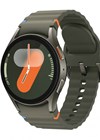


Wearable tech revolutionising sleep monitoring: a new era in sleep health

Restful sleep is crucial for health but conditions like obstructive sleep apnoea (OSA) can significantly disrupt it, leading to fatigue, cardiovascular issues, and other serious health problems. Polysomnography (PSG) remains the gold standard for OSA diagnosis [1], however it is...

Speech mapping and the benefits of using in clinical practice

Fitting hearing aids is not simply a case of one size fits all. Nicole da Rocha discusses the benefits of using speech mapping as a verification tool. The verification of hearing aids has become quintessential for best practice. Using either...

Directed audio pointing the way to a great listening experience – HyperSound Clear<sup>TM</sup>

In this Spotlight on Innovation we explore an innovative ultra-thin speaker system compatible with TVs, which can be programmed by a hearing professional to a listener’s hearing profile and preferences to deliver a directed 3D listening experience. Whether your patients...

Portable otoscopy image capture devices – a comparative review

The use of photo documentation in ENT clinics is becoming more common as technological advances have made the hardware required more accessible. There is significant variation in the price of products. Daniel Moualed, Olivia Whiteside and Chris Aldren review the...

EBM and ENT: In conversation with Martin Burton

As part of our new Evidence-Based Medicine section, we’re honoured to feature an interview with Professor Martin Burton, Director of the UK Cochrane Centre. Professor Burton is Professor of Otolaryngology at the University of Oxford and Consultant Otolaryngologist at Oxford...

Automated audiometry: in conversation with the creator of AMTAS®, Robert Margolis

As automated audiometry becomes more widespread for busy clinics and tele-audiometry, Laura Prigge from GSI interviews Dr Robert Margolis to discuss his automated method for testing auditory sensitivity (AMTAS®). What motivated you to think of automated audiometry? When I was...

Making the case for multidisciplinary ENT vasculitis clinics

How can combined ENT vasculitis clinics improve diagnosis, treatment and ongoing care for patients with AAV? This article outlines a multidisciplinary approach. Antineutrophil cytoplasmic antibody (ANCA)-associated vasculitides (AAV) are a group of rare autoimmune conditions characterised by inflammation of small-...
