
You searched for "retraction"
Endoscopic ear surgery in children
The benefits of endoscopes in otologic surgery, which have become increasingly widely appreciated in recent years, are very well suited to the management of paediatric middle ear disease. Although one might imagine that the smaller ear canal of a child...
Brain tumours don’t do what they’re told to – linguistic sequalae of low-grade brain tumours
Brain tumours typically grow slowly, resulting in the gradual progression of symptoms including, in some instances, tumour-related language difficulties. Traditionally, brain tumours were thought to result in language symptoms correlating with traditional lesion-symptom mapping, and research to date has mainly...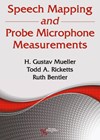
Speech Mapping and Probe Microphone Measurements
Consisting of seven chapters, 300 pages, numerous graphs and images, alongside a host of ‘tips and tricks, ‘clinical concepts, and ‘points to ponder’, you will be hard-pressed to find a more detailed, thorough discussion of all things related to probe...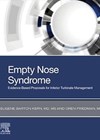
Empty Nose Syndrome: Evidence Based Proposals for Inferior Turbinate Management
To cut or not to cut, that is the question… The authors of Empty Nose Syndrome emphatically implore the reader to spare the inferior turbinate, lest they cause patients this undue misery! This book is a thought-provoking journey through the...
Do ENT surgical patients need VTE prophylaxis?
In the UK, current NICE guidance for venous thromboembolism (VTE) prevention does not give specific advice about patients undergoing otolaryngology/head and neck surgery (OHNS). This systematic review provides up-to-date information based on available, although limited, evidence about the incidence of...
Adenoidal hypertrophy in children with allergic rhinitis
Nasal congestion in children with allergic rhinitis can be confounded by adenoidal hypertrophy. This retrospective Turkish study examines this association in more detail. The sample studied was 566 children (age 2-18) that were diagnosed (based on ARIA guidelines) and treated...
Can the threshold for drain removal after selective lateral neck dissection be safely raised to an output volume of less than 100 mL in a 24-hour period?
Closed-suction drains are routinely used by most head and neck surgeons after selective lateral neck dissections (SLNDs). A recent survey of more than 360 head and neck surgeons found that more than 60% use a criterion of less than 30...
Stem cells in nasal polyposis
Chronic rhinosinusitis with nasal polyps (CRSwNP) is common and is multifactorial with increased T-helper 2 response and active role of interleukin 5. It can be associated with asthma and control of CRSwNP improves lower airway disease. Due to constant cellular...
Long-term results of incus vibroplasty in patients with moderate-to-severe sensorineural hearing loss
The Vibrant Soundbridge (VSB) middle ear implant is now a well-accepted and widely utilised treatment option for patients with sensorineural hearing loss unable to use standard hearing aids. However, as a relatively recent addition to the portfolio of implants available...
Bothersome ‘burping’ – speech therapy may help
Most people experience belching as a normal phenomenon, often after eating or drinking carbonated drinks in particular. However, separate to this normal physiological phenomenon, some people experience belches that can occur much more frequently (up to 20 times a minute)...
Virtual human speaker
The aim of the discussed study was to develop and evaluate a 3D virtual speaker that could use pre-recorded audio-material and possibly be used for audio-visual speech testing in the future. The authors developed the terminal-analogue method that allows to...


