You searched for "reinnervation"
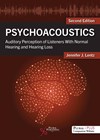
Psychoacoustics: Auditory Perception of Listeners with Normal Hearing and Hearing Loss - Second Edition
Dr Lentz’s Psychoacoustics: Auditory Perception of Listeners with Normal Hearing and Hearing Loss, Second Edition is a 287-page introduction to the eponymous field that fills some (like myself) with great interest, though I have recognised the soporific effect of even...
What is the optimum duration of voice rest after microlaryngoscopy procedures?
Recent survey data looking at the opinions and practices of otolaryngologists in the US and the UK demonstrate that there is a wide variation in recommendations made for voice rest after vocal fold surgery. In the US, the most common...
Hearing loss in the young and self-esteem
How can those involved in the care of children with hearing loss identify those at risk of low self-esteem? This study provides some guidance. Overall differences from hearing peers in terms of communication skills, physical appearance and social maturity place...
Tonsillectomy in or out?
Although tonsillectomy is the most common surgical act performed in ENT practice, there is still some concern about the safety of outpatient or day surgery scheduling, especially in adults. Although this has been common practice in many departments for some...
Oral versus oral and intratympanic corticosteroid treatment for sudden sensorineural hearing loss
The 2012 American Academy of Otolaryngology- Head and Neck Surgery Foundation (AAO-HNSF) clinical practice guidelines on sudden sensorineural hearing loss (SNHL) have two statements that address steroid use. Statement eight indicates an option to offer corticosteroid as initial treatment for...
Pharmacological treatment of glue ear in children
Otitis media with effusion (OME), also known as glue ear, is a common cause of hearing loss in children. Most cases resolve spontaneously within three months. Early and proper management of OME can help avoid hearing and speech impairment that...Discovery in the genetics of complex disease: Otitis media
Otitis media (OM), a common disease of childhood, is considered to be a complex trait with multiple genetic and environmental factors expected to contribute to a child’s risk of developing recurrent acute OM (rAOM; ≥3 episodes in 6 months or...
Professional Communication in Audiology
This introductory book is aimed at providing understanding of communication in the clinical audiology setting and focusses on newly graduated clinicians and students. The book is divided into two sections: (1) verbal communication with patients; (2) written communication with healthcare...
Auditory Electrophysiology
It is a delight to read a new publication in this area. The editors have focused on the most commonly currently used auditory electrophysiological tests and included discussion and information on their various uses. The price is typical of what...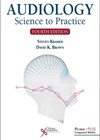
Audiology: Science to Practice – Fourth Edition
Kramer and Brown have done it again with their fourth edition of Audiology: Science to Practice. This textbook provides a comprehensive introduction to audiology with both clinical and practical information. This book is mainly aimed at those who are studying...
Outcomes of temporal bone-resurfacing for pulsatile tinnitus associated with vascular wall anomalies
This month’s Ed’s choice is an interesting systematic review into the management of pulsatile tinnitus. There are impressive results from resurfacing of symptomatic anatomical abnormalities of the temporal bone and I suspect that referrals for further imaging and otology clinic...